
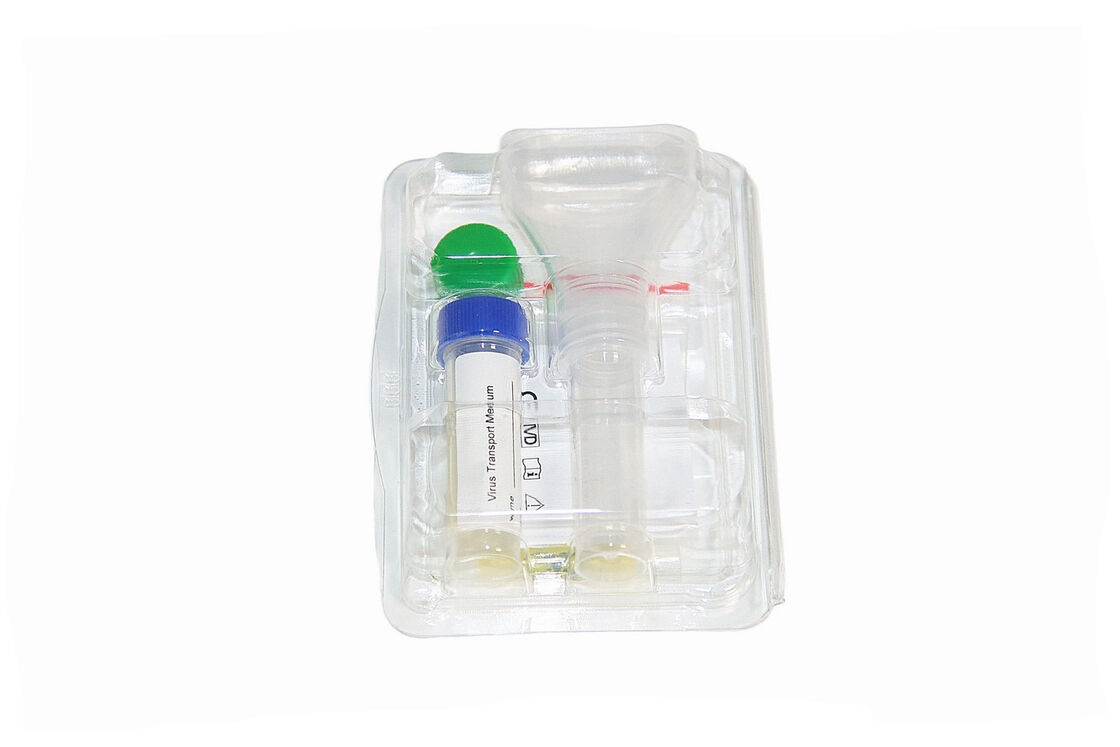
The Importance of Leak-Proof Design in Saliva Test Kit Tubes
Why Biological Samples Like Saliva Require Secure, Leak-Proof Containment
Saliva has all sorts of delicate stuff in it DNA, proteins, enzymes that start breaking down fast once they hit air or get contaminated. That's why those special leak proof tubes for saliva tests are so important they act like protective shields keeping everything intact while the sample makes its way to the lab. Research indicates that if samples aren't properly sealed, they might lose around 30% of their viral RNA quality within just three days, which really messes up PCR test results. And there's another reason secure storage matters too. Saliva can actually contain dangerous germs like SARS CoV 2 or HSV 1 viruses that stick around on plastic surfaces for nearly three full days. So proper containment isn't just about getting accurate results it's also about safety.
How Leak-Proof Saliva Test Kit Tubes Prevent Sample Contamination and Degradation
The latest blood collection tubes feature double layer seals plus those telltale caps that show if someone has opened them, which keeps samples safe throughout transport. Made with special medical plastics, these containers can handle pretty much anything thrown at them during shipping - extreme temperatures or rough handling won't phase them. When there's no air getting in or out, bad stuff like oxidation and bacteria just don't stand a chance inside the tube. And guess what? Real world tests back this up. A study done last year showed these better sealed tubes cut down on missed diagnoses by almost a quarter when people were doing tests at home instead of regular tubes. That makes a big difference for accurate results right where patients need them most.
Balancing Cost-Efficiency with Sample Integrity: The Industry Challenge
About 80 percent of manufacturers focus on preventing leaks, yet just around 45% actually hit those ISO 14644-1 standards for cleanrooms when it comes to seals, per this year's diagnostics industry report from March 2023. Finding that sweet spot between budget friendly materials and good performance remains a real headache for plant managers. Sure silicone O rings work great at sealing things up tight, but they also jack up production expenses roughly 18%. That's why many are turning toward newer approaches such as ultrasonic welding techniques or incorporating molded gaskets right into parts during manufacturing. These options not only cut down on costs but help companies stay within regulations while still allowing them to scale operations without breaking the bank.
Ensuring Sample Integrity from Collection to Laboratory Analysis
Key Factors That Threaten Saliva Sample Stability During Transport
Proper Handling and Sealed Saliva Test Kit Tube Protocols for Reliable Assay Results
Effective protocols integrate engineering safeguards with trained handling practices:
- Immediate inversion post-collection to activate preservatives
- Visual and torque-based verification of seal integrity
- Use of shatter-resistant materials compatible with centrifugation
Clinics using ISO 13485-certified tubes report 89% fewer sample rejections than those using generic alternatives, highlighting the importance of standardized leak-testing in manufacturing. Current best practices mandate dual-stage containment—placing sealed tubes in secondary biohazard bags with absorbent liners—to ensure safety and compliance.
Consequences of Exposure Due to Leakage on Diagnostic Accuracy
Leakage compromises diagnostic outcomes through evaporation, contamination, and temperature instability:
| Compromise Type | Diagnostic Impact |
|---|---|
| Evaporation | 34% concentration errors in cortisol tests |
| Contamination | 22% false-positive PCR results |
| Temperature Excursion | Complete DNA denaturation in 87% of cases |
A 2023 Ponemon Institute study found that lab errors due to compromised samples cost healthcare facilities an average of $740,000 annually per site, with 41% linked directly to inadequate tube sealing. These failures lead to delayed treatments, repeated patient visits, and diminished confidence in at-home diagnostics.
Safety and Regulatory Standards for Saliva Sample Transportation
Universal Precautions and Biosafety Requirements for Saliva Specimen Transport
Saliva test kits need leak proof tubes for biosafety reasons. These tubes act as the first barrier when handling potentially dangerous pathogens. According to standard safety protocols, any biological sample including saliva should always be considered infectious material. The containers have to stay sealed under pretty harsh conditions too. They need to hold up at temperatures ranging from minus 20 degrees Celsius right up to 40 degrees, plus they must survive vibrations, compression forces, and sudden pressure shifts during transport. New recommendations now stress the importance of triple layer seals specifically designed to stop aerosols from forming, something that matches CDC level two biosafety requirements. And just in case the main seal breaks down somehow, there are backup containment options available. Many labs use UN certified bags lined with absorbent materials that catch any spills and keep lab staff safe from accidental contact.
Compliance with Medical Transport Regulations (e.g., UN 3373, IATA)
Regulatory frameworks like UN 3373 (Category B Biological Substances) and IATA’s Dangerous Goods Regulations establish strict requirements for saliva test kit tubes:
| Requirement | Purpose |
|---|---|
| Δ90 kPa pressure tolerance | Prevents rupture during air transport |
| Tamper-evident caps | Supports chain-of-custody documentation |
| Chemical resistance | Withstands disinfectants like 70% ethanol |
Non-compliance risks penalties up to $50,000 per incident (DOT 2023) and automatic sample rejection. In 2022, 12% of diagnostic errors were traced to improperly sealed tubes invalidating RT-PCR results. To ensure compliance, manufacturers must validate designs through ISTA-3A simulation testing before market release.
Real-World Impact of Non-Leak-Proof Saliva Test Kit Tubes
Case Study: Leakage Incidents in Urgent Care and At-Home Testing Environments
According to a 2022 study across multiple locations, nearly one out of every four saliva samples got rejected because they leaked while being transported. An urgent care facility actually had to repeat tests at a rate of 14% for their COVID-19 PCR testing when the sample tubes were damaged somehow. This caused delays in getting results back to patients anywhere between two and three days. Things get even worse with home testing kits where almost a third of people who used them reported problems with leaks happening during the mail return process, according to research published in the Journal of Diagnostic Accuracy last year. All these issues point to serious problems with how these sample containers are sealed, which creates major headaches for labs trying to process tests efficiently and ultimately affects when patients receive their important medical information.
Financial and Operational Costs of Sample Loss and Retesting
When saliva samples leak, it costs around $740 each time they need to be tested again. That price tag includes all the extra work, new test kits, and those frustrating delays in getting reports out. Mid sized labs are really feeling the pinch here too. According to research from the Ponemon Institute back in 2023, these places end up losing anywhere between $1.2 million and $2.8 million every year because of such issues. And let's not forget about the actual day to day operations. Labs that handle about 10,000 samples per month typically waste somewhere between 12 to 15 hours each week just dealing with figuring out what went wrong with leaks and then collecting new samples. All this takes away valuable staff time and makes everything move slower than it should.
Patient Trust and Diagnostic Reliability Compromised by Poor Tube Design
When there's leakage problems with tests, it really shakes people's faith in the whole system. According to a recent study from 2023, about one out of every five patients actually changed doctors because their saliva test kits failed somehow. And even more concerning, nearly seven out of ten folks started doubting whether their initial test results were accurate at all. From what scientists have observed, when saliva gets exposed to air or other contaminants, the viral RNA breaks down over time. This makes PCR tests significantly less sensitive, somewhere between forty to sixty percent according to research published in Clinical Chemistry back in 2022. That's why having solid, leak resistant containers for these saliva tests matters so much. It's not just about getting better test results, but maintaining people's trust in our current diagnostic methods too.
FAQ Section
Why is leak-proof design important for saliva test kit tubes?
Leak-proof design is critical in saliva test kit tubes to prevent sample contamination and degradation, ensuring accurate diagnostic results and maintaining biosafety standards.
How does leakage affect diagnostic accuracy?
Leakage can lead to evaporation, contamination, and temperature instability, resulting in diagnostic errors such as concentration mistakes, false positives, and DNA denaturation.
What are the regulatory standards for saliva sample transportation?
Saliva test kit tubes must comply with regulations such as UN 3373 and IATA’s Dangerous Goods Regulations, which include criteria like pressure tolerance, tamper-evidence, and chemical resistance.
What are the financial implications of non-leak-proof tubes?
The financial impact includes increased testing costs, operational delays, and potential penalties, with mid-sized labs facing millions in annual losses due to sample leakage.
How does poor tube design impact patient trust?
Poor tube design leading to leakage undermines patient trust in diagnostic methods, prompting changes in healthcare providers and doubts about test accuracy.