
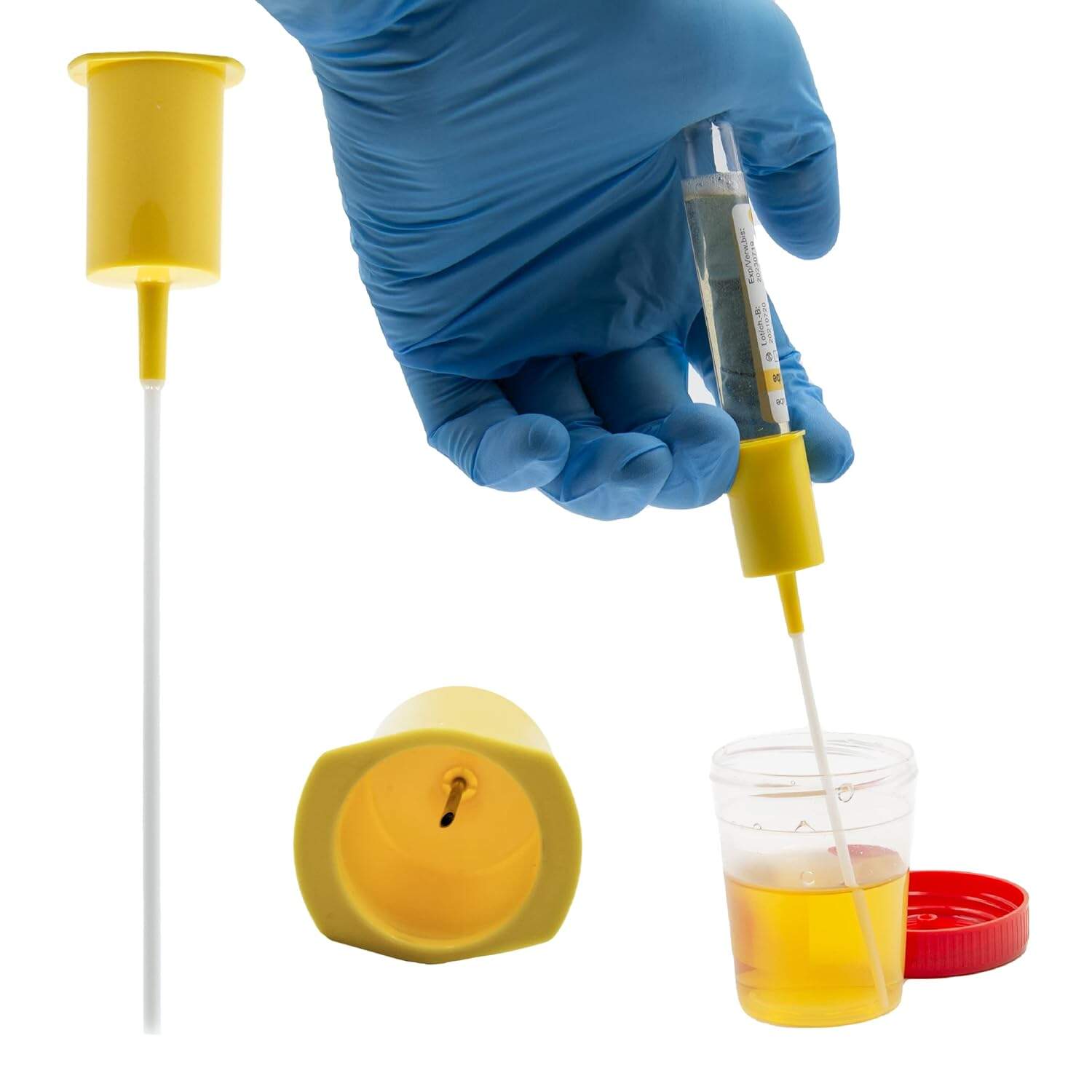
Understanding ISO 13485 Compliance for Vacuum Urine Container Manufacturers
What Is ISO 13485 Certification and Why It Matters for Vacuum Urine Container Manufacturers
The ISO 13485 certification sets up a quality management system framework that's recognized worldwide by medical device makers, even those making things like vacuum urine collection systems. What this standard does is help keep everything consistent from how products are designed all the way through manufacturing and shipping, so they actually comply with regulations when sold in different regions such as Europe, Britain, and America. Getting certified really helps cut down on product recalls, something that affects many companies. According to recent data from the FDA in 2022, nearly three out of ten recalls happen because of problems within quality management systems during production. Plus, having this certification shows that a manufacturer follows both the FDA's 21 CFR Part 820 guidelines and meets the requirements set forth in the EU Medical Device Regulation 2017/745.
Key Requirements of ISO 13485 for Fluid Collection Devices Like Vacuum Urine Containers
To comply with ISO 13485, manufacturers must implement:
- Risk management protocols addressing biological contamination and material degradation
- Design controls ensuring vacuum stability during urine sample transport
- Sterilization validation for pre-filled containers using ethylene oxide or gamma radiation
- Traceability systems linking batches to raw materials (e.g., USP Class VI plastics)
These requirements directly align with clinical needs: vacuum integrity impacts 92% of urine culture accuracy in diagnostic settings (Clinical Lab Journal, 2023).
How Quality Management Systems Ensure Consistent Production of Compliant Vacuum Urine Containers
Strong quality management systems including document control procedures (standard operating procedures specifying molding tolerances within plus or minus 0.5 mm), regular internal audits, and proper corrective action processes help manufacturers stay compliant with ISO 13485 standards throughout their production runs. Many top facilities have started using automated inspection technology that checks 100% of container closures for integrity issues. According to recent industry data from MedTech Innovation Report in 2023, these systems cut down human errors during inspections by about three quarters when compared to traditional manual methods. To ensure continued compliance with critical requirements, most companies schedule third party audits somewhere between three to six months apart. These external reviews confirm whether sterilization practices remain effective and if biocompatibility standards are being consistently met across all operations.
Navigating FDA Regulations for Vacuum Urine Containers in Medical Use
FDA Classification and Approval Pathways: 510(k) vs. Premarket Approval for Urine Collection Devices
Vacuum urine containers fall under Class II medical devices according to the FDA (product code KHK). Most manufacturers go through either the 510(k) clearance process or seek Premarket Approval (PMA). Looking at recent data from the FDA's 2023 report, around 78% of these urine collection systems actually take the 510(k) route. This involves showing they're substantially similar to already approved devices on the market. The PMA pathway comes into play for completely new designs that don't have anything comparable yet. These require actual clinical trials to back up claims about safety and effectiveness. No matter which approval path is chosen, companies need to make sure their products meet certain standards. They must confirm proper sterilization methods work reliably, test whether materials used won't cause reactions inside the body, and ensure the containers stay intact during normal usage conditions.
Material Safety, Sterility, and Labeling Standards for FDA-Compliant Vacuum Urine Containers
FDA-compliant vacuum urine containers use medical-grade polystyrene or polypropylene proven non-reactive with urea and uric acid. Sterility standards require:
- Gamma radiation or ethylene oxide sterilization achieving a 10‰ SAL (Sterility Assurance Level)
- Tamper-evident seals meeting 21 CFR 801.15 requirements
- Labeling specifying expiration dates, lot numbers, and "For Single Use Only" warnings
A 2021 study found containers adhering to these standards reduced false-positive urine culture rates by 34% compared to non-compliant alternatives (Clark et al. 2021).
Common Gaps Between Claimed and Verified FDA Compliance Among Suppliers
Third-party audits reveal 35% of vacuum urine container suppliers lack full documentation for material validation or sterilization cycle verification (WHO 2022). Frequent discrepancies include:
- Incomplete biocompatibility testing per ISO 10993-5 cytotoxicity standards
- Labeling missing required symbols like "Rx Only" or inadequate Spanish translations
- Sterilization validations not covering worst-case production scenarios
Procurement teams should request notarized FDA Establishment Registration Numbers and directly verify 510(k) listings in the FDA’s public database before contracting.
Design and Material Standards That Support Regulatory Compliance
Biocompatible Plastics and Material Selection for Safe Vacuum Urine Collection Systems
When it comes to vacuum urine containers that meet both ISO 13485 and FDA requirements, manufacturers typically go with materials such as medical grade polypropylene or PET plastic because these substances won't react chemically and last longer over time. Before being used, these plastics must pass thorough tests for biocompatibility according to ISO 10993 standards so we know they won't release anything bad into the samples collected. According to research published in 2023 on material choices, companies following ASTM D-638 standards for tensile strength see about a 78 percent drop in leaks compared to those who don't follow these guidelines properly. To keep things sterile, many products now include special coatings that fight microbes. These coatings have been checked out by the FDA under their regulation number 21 CFR 876.1500 specifically for devices dealing with urine collection.
Critical Design Features Ensuring Both ISO 13485 and FDA Compliance
Three design elements universally align with both regulatory frameworks:
- Tamper-evident seals meeting ISO 15759 for medical packaging
- Vacuum retention valves tested to maintain 30–40 kPa pressure for 30 days (FDA shelf-life stability guidelines)
- Ergonomic ridges preventing slippage during handling, critical for ISO 13485’s usability requirements
As highlighted in a global compliance analysis, 92% of FDA-cleared containers integrate at least two of these features, versus 43% in non-compliant products. Manufacturers must validate these designs through accelerated aging tests and real-time particle shedding studies to satisfy both ISO 13485’s clause 7.3.8 and FDA’s 510(k) substantial equivalence reviews.
Verifying Genuine Compliance: How to Sourcing Reliable Vacuum Urine Containers
The Role of Third-Party Testing and Audit Documentation in Validating Compliance
Independent testing labs are essential for making sure vacuum urine collection systems actually comply with those important ISO 13485 and FDA requirements. Good manufacturers send their products to these labs for tests on how safe they are when in contact with body tissues (that's ISO 10993) and whether they're properly sterilized (covered under ISO 11737). When companies get audit reports from recognized organizations such as BSI or TÜV SÜD, this shows they maintain standards over time. Look at the numbers from last year's FDA findings: medical facilities using equipment certified by outside auditors experienced around 73 percent fewer recalls compared to places relying solely on their own certification processes. Makes sense why so many in the industry now prioritize third party verification.
Profile of Leading Global Manufacturers with Proven ISO 13485 and FDA Compliance
Top vacuum urine container manufacturers demonstrate compliance through:
- Multi-year certification histories with zero critical non-conformities
- Full traceability of medical-grade plastics from ISO 9001-certified material suppliers
- FDA-registered production facilities using cleanroom assembly (Class 7 or better)
- Documented sterilization validation for gamma irradiation or ethylene oxide processes
Step-by-Step Strategy to Verify Authentic Certifications When Sourcing Vacuum Urine Containers
- Request Certificate Copies: Validate ISO 13485 certificates against the International Accreditation Forum database
- Review FDA Listing: Confirm 510(k) clearance or Premarket Approval via FDA’s Device Registration portal
- Evaluate Sterility Claims: Require ISO 17025-accredited test reports proving 10‰ SAL (sterility assurance level)
- Audit Supply Chain: Prioritize manufacturers using tamper-evident seals and sterile barriers validated through ASTM F1608 testing
Manufacturers producing truly compliant vacuum urine containers will provide this documentation within 48 hours—delayed responses often indicate incomplete quality systems.
FAQ Section
What is ISO 13485 certification?
ISO 13485 certification is a quality management standard specifically for medical devices, ensuring they meet regulatory requirements across design, manufacturing, and shipping processes.
Why is ISO 13485 important for vacuum urine container manufacturers?
ISO 13485 is important because it helps manufacturers reduce recalls, meet international regulations, and prove they adhere to quality standards, enhancing product reliability and safety.
What are the FDA compliance requirements for vacuum urine containers?
FDA compliance for vacuum urine containers includes proper material safety, sterilization standards, and accurate labeling to ensure product safety and efficacy.
How can I verify genuine compliance of vacuum urine container suppliers?
Verify compliance by requesting certification documents, checking FDA listings, evaluating sterility test reports, and auditing suppliers for quality assurance.