
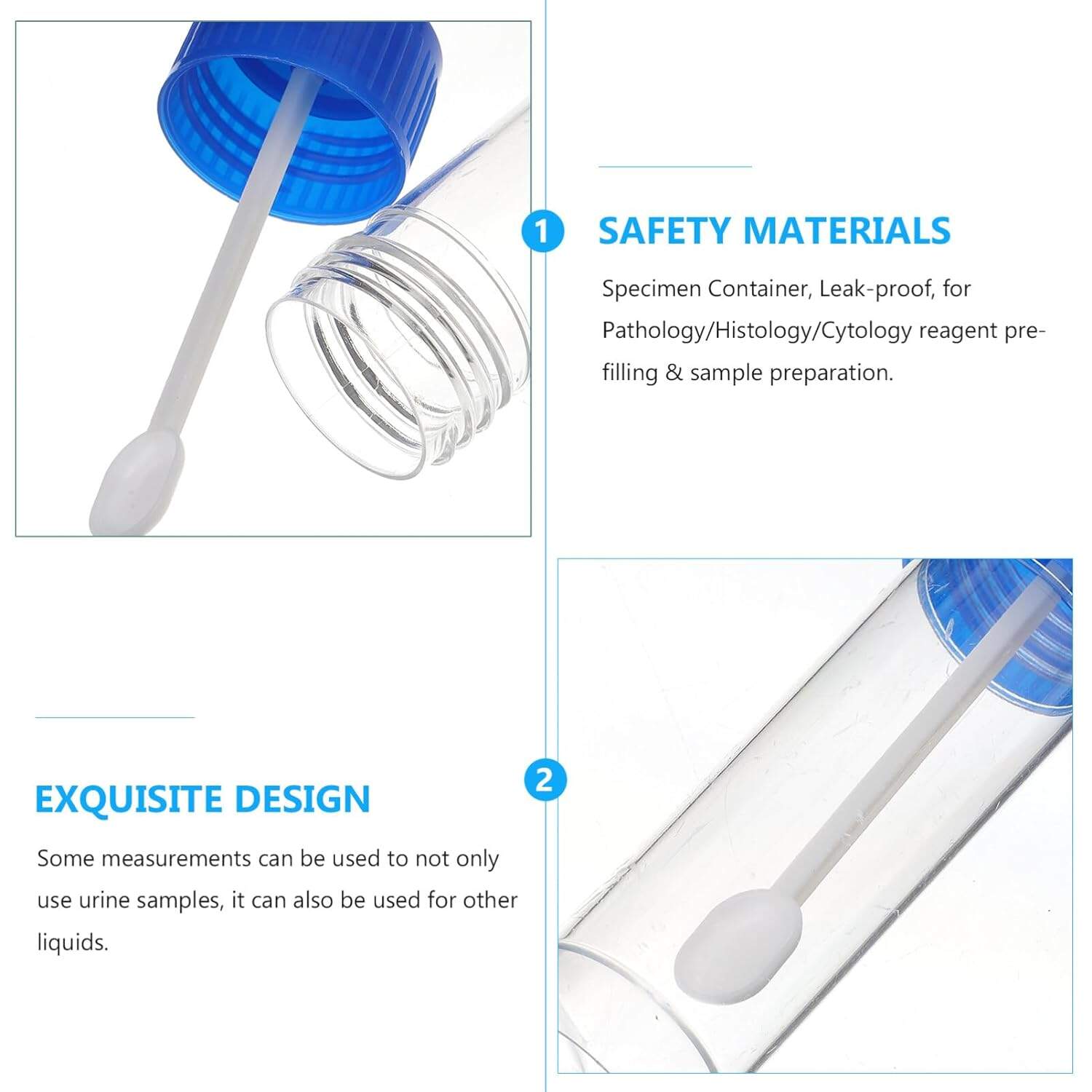
Understanding Regulatory Classification: Why Stool Containers Are Class I Medical Devices with Special Controls
Medical devices get grouped by the FDA into three classes - I, II, or III - depending on how risky they are considered. Stool containers land in Class I, which is basically the least dangerous category. These containers aren't invasive at all; their main job is just to gather and move biological samples so doctors can run tests later. They're pretty much like bandages or exam gloves when it comes to safety concerns. The regulations around them aren't too strict either. Most importantly, companies need to register with the FDA, follow quality system rules outlined in 21 CFR Part 820, and make sure labels meet standards. That's about it for these simple collection tools.
Stool specimens often contain harmful pathogens, which is why the FDA has put in place specific controls to reduce the risk of contamination. The requirements cover things like testing materials for biocompatibility according to ISO 10993-5 standards, making sure sterile products meet sterility validation criteria under either ISO 11135 or ISO 11137, plus having clear labels with proper handling instructions. What many people miss is that when something is labeled "Class I exempt," it just means companies don't need to submit a premarket notification (the 510(k) process). But they still have to follow all the rules about quality systems, labeling, and product tracking. Getting this wrong has led to plenty of FDA warning letters and stopped shipments at borders. For manufacturers wanting to stay compliant, building strong risk management practices and thorough documentation throughout production isn't optional anymore if they want to prevent expensive setbacks, product recalls, or regulatory problems down the road.
ISO 13485:2016 Requirements Specific to Stool Container Manufacturing
Design controls, documentation, and risk management for low-risk devices
Stool containers fall under Class I medical devices, but according to ISO 13485:2016 standards, companies still need to implement all design control requirements. This means documenting everything from what users actually need to the specific design specifications, plus proper verification and validation steps. When it comes to risk management following ISO 14971 guidelines, manufacturers can't skip this part either. The analysis has to cover those key points where things might go wrong like leaks happening during transport, samples getting spoiled, or labels ending up on the wrong container. Just because these products aren't high risk doesn't mean documentation can be half-hearted. Having thorough records isn't just good practice it's absolutely necessary when auditors come knocking or regulators want to check compliance status.
| Requirement | Low-Risk Device Adaptation |
|---|---|
| Design Verification | Simulated use testing |
| Risk Documentation | Focused FMEA on critical failures |
| Change Control | Streamlined review process |
Material traceability, biocompatibility, and sterility validation essentials
Material traceability according to ISO 13485 Clause 7.5.9 isn't something we can ignore. All suppliers need to hand over proper Certificates of Analysis for every polymer they use in those stool containers. We're talking about real documentation here, not just paperwork for show. When it comes to biocompatibility, following ISO 10993-5 standards means making sure nothing harmful gets released from the materials that could mess up our specimens. For products that require sterility, either ethylene oxide or gamma irradiation has to be properly validated under ISO 11135 or ISO 11137 standards. The FDA really drives this home in their 2023 guidance documents, specifying sterility assurance levels down to SAL 10^-6 as minimum requirements. And let's not forget about environmental monitoring records either. These should clearly show that manufacturing conditions stayed within control limits during the entire production process from start to finish.
Labeling, Packaging, and UDI Compliance for Stool Containers Under FDA 21 CFR Part 801 and ISO 13485 Clause 7.5.3
Stool containers require precise labeling and packaging compliance despite their Class I status. FDA 21 CFR Part 801 mandates these critical elements on labels:
- Device name and intended use (“For in vitro diagnostic useâ€)
- Manufacturer name and address
- Unique Device Identifier (UDI) in both human- and machine-readable formats
- Expiration date (YYYY-MM-DD format)
- Lot or serial number
- Storage and handling instructions
- Sterility indicators (if applicable)
ISO 13485 Clause 7.5.3 adds stringent packaging controls requiring validated processes to ensure integrity during sterilization, transportation, and storage. Manufacturers must conduct:
- Packaging validation tests simulating real-world transit and environmental stress
- Material biocompatibility assessments to prevent specimen interaction
- Sterile barrier integrity checks (e.g., dye penetration, bubble leak testing)
- Full traceability documentation linking packaging components to supplier certifications
| Compliance Focus | FDA Requirements | ISO 13485 Additions |
|---|---|---|
| Label Content | UDI, expiration dating | Symbol standardization (e.g., ISO 15223-1) |
| Packaging Validation | Integrity proof | Process documentation and revalidation triggers |
| Traceability | GUDID submission | Material genealogy and batch-level linkage |
Non-compliance triggers FDA warning letters and import holds. One hospital system incurred $500K in recall costs (2023 FDA Enforcement Report) after omitting UDI barcodes on stool containers. Regular label audits and packaging validations prevent such violations while preserving specimen integrity from collection to analysis.
Avoiding Enforcement Risks: Real-World Pitfalls in Stool Container Compliance
Many manufacturers get confused about what it means when their device has Class I 'exempt' status. They think this somehow frees them from having to label their products properly, but that's just not true. What happens next? Companies end up with labels that miss important information, which almost always results in those dreaded FDA warning letters even though the device itself isn't considered high risk. Take for instance when companies forget to include things like the 'For in vitro diagnostic use' statement or fail to show if something is sterile. According to 21 CFR Part 801 regulations, these exemptions don't cover quality control issues, proper labeling requirements, or tracking standards. The FDA makes this clear in their guidelines, yet mistakes keep happening because people misunderstand exactly what's exempt and what still needs attention.
Misinterpreting 'exempt' status – when labeling omissions trigger FDA warning letters
Looking at FDA enforcement data from 2023 shows that around 40% of issues with stool containers came down to labeling problems. Many times, companies were missing important UDI carrier details or had unclear usage instructions on their packaging. Some manufacturers get confused when something is labeled as "exempt" and think that means they don't need to worry about it much. But they're ignoring what ISO 13485:2016 says about clear, traceable labeling in clause 7.5.3. Regular checks of labels against both FDA's UDI requirements and ISO standards can stop expensive product recalls before they happen. When companies fail to comply, they face serious consequences like stopped shipments, damaged brand reputation, and correction costs that often go above half a million dollars each time. These expenses definitely beat out whatever savings might come from cutting corners on compliance initially.
Key pitfalls to avoid:
- Assuming “exempt†= no labeling controls
- Using non-validated label materials risking smudging or peeling
- Failing to verify GUDID database entries match physical labels
Robust change management processes ensure label updates during design iterations maintain compliance, safeguarding against regulatory actions.
FAQs
What does 'Class I exempt' mean for stool container manufacturers?
'Class I exempt' means that manufacturers do not need to submit a premarket notification, known as the 510(k) process. However, manufacturers are still required to comply with all other FDA regulations, including quality systems, labeling, and product tracking.
What are the key labeling requirements for stool containers?
The key labeling requirements under FDA 21 CFR Part 801 include the device name and intended use, manufacturer name and address, Unique Device Identifier (UDI), expiration date, lot or serial number, storage and handling instructions, and sterility indicators if applicable.
Why is ISO 13485:2016 important for stool container manufacturers?
ISO 13485:2016 is crucial because it ensures that companies follow stringent design controls, documentation, and risk management procedures. Adhering to these standards helps prevent non-compliance issues, product recalls, and other regulatory problems.
Table of Contents
- Understanding Regulatory Classification: Why Stool Containers Are Class I Medical Devices with Special Controls
- ISO 13485:2016 Requirements Specific to Stool Container Manufacturing
- Labeling, Packaging, and UDI Compliance for Stool Containers Under FDA 21 CFR Part 801 and ISO 13485 Clause 7.5.3
- Avoiding Enforcement Risks: Real-World Pitfalls in Stool Container Compliance
- FAQs