
Core Specifications Driving Fecal Occult Blood Tube Preference
Material Compatibility and Hemoglobin Stability Requirements
Fecal occult blood tube materials must prevent hemoglobin degradation while resisting chemical interactions. Polyethylene terephthalate (PET) demonstrates superior inertness, preserving analyte stability for 14 days at 2â8°C according to clinical validations. Hemoglobin loss exceeding 15% in suboptimal containers invalidates quantitative immunochemical testing.
Preservative Chemistry: Guaiac vs. Immunochemical Tube Formulations
The old fashioned guaiac based tests need special citrate buffered preservatives to work properly since they look for peroxidase activity. But there's a catch these tests often give false positive results because of things people eat like red meat and some veggies that contain their own peroxidases. That's where the newer immunochemical tests come in handy. These FIT tubes have special buffers that stabilize antigens plus some anti protease additives thrown in. What does this mean practically? Well studies show they're about 70 percent more specific when detecting actual human blood proteins. And according to a recent 2024 analysis from IIAR, FIT tubes cut down on those annoying false positives by around 40% compared to traditional guaiac methods during regular population screenings. Makes sense why so many labs are making the switch nowadays.
Tube Design Features Ensuring Specimen Integrity
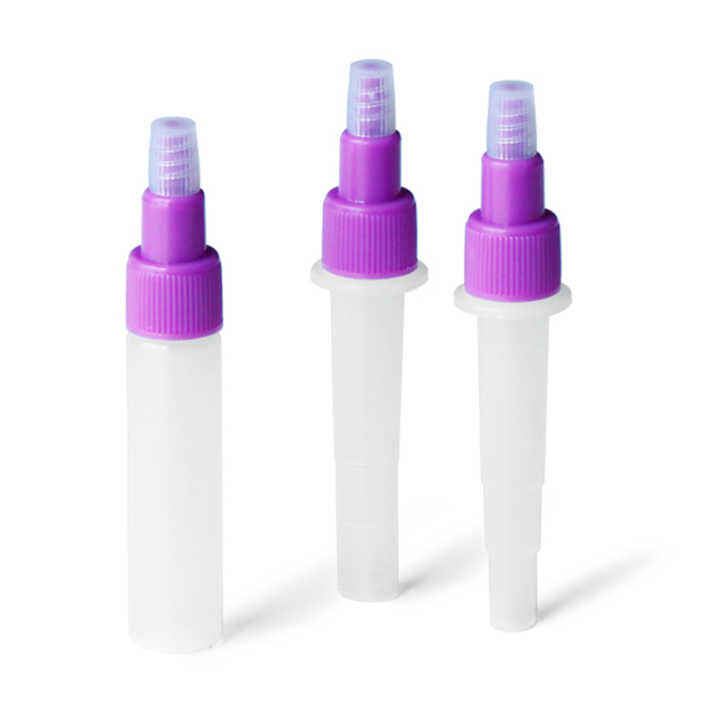
Critical design elements include:
- Barrier-sealed caps preventing aerobic degradation
- Integrated flocked swabs enabling 95% sample release
-
Volume-controlled wells (±5% accuracy) for quantitative FIT
Leading providers achieve 99% leak resistance during transport through double-septum mechanisms validated under ISTA-3A standards.
Regulatory Compliance: Meeting CLIA, FDA 510(k), and ISO 15189 Standards
Manufacturers must document analytical sensitivity (â¤50 ng Hb/mL buffer) and lot-to-lot consistency (CV < 7%) for FDA 510(k) clearance. ISO 15189:2022 mandates traceable temperature monitoring during storage, while CLIA requires demonstrated stability across 30-day clinical workflows. Over 90% of FDA-cleared tubes now incorporate RFID temperature logging.
These technical criteriaânot costâdrive preference among high-volume laboratories, with antigen stability and regulatory alignment being paramount.
Key Differences in Fecal Occult Blood Test Types and Associated Tube Requirements
Guaiac-Based FOBT (gFOBT): Citrate-Buffered Tubes and Dietary Interference Control
The guaiac test needs special citrate buffered tubes that help keep hemoglobin stable when samples are being transported. These tubes stop vitamin C from breaking down and causing false negative results, but unfortunately they can't do anything about problems from dietary peroxidases. Looking back at research from 2009 by Tannous and colleagues reveals some interesting numbers. They found that around 20 percent of guaiac fecal occult blood tests gave false positive readings because of what people ate, compared to less than 5 percent for the newer immunochemical tests. This is exactly why doctors still insist on those strict three day food restrictions before taking a guaiac test. The old method just isn't as reliable when someone eats certain foods right before testing.
Immunochemical FOBT (iFOBT/FIT): Antigen-Stabilizing Tubes with Anti-Protease Additives
The FIT test tubes work by incorporating antibody coated latex particles along with special anti protease additives that help keep those human hemoglobin antigens intact. What this means is patients don't have to worry about changing their diet before testing, which makes things much easier for everyone involved. The buffer solution inside these tubes actually stops bacteria from breaking down samples over time, so they stay good for around two weeks even when stored at normal room temperatures. This flexibility really helps out with shipping and handling since there's no need for cold chain transportation. And then there are the quantitative aspects too. Standardized sampling brushes combined with properly calibrated delivery mechanisms just make everything more reliable overall. These little details matter a lot when trying to get accurate results consistently across different labs and facilities.
Quantitative FIT: Calibrated Delivery Systems and Traceable Sample Volumes
Quantitative FIT demands tubes with integrated volume-calibrated collection probes. CLSI guidelines (EP07) require ±5% volume accuracy to ensure clinically valid hemoglobin thresholdsâsuch as 10 μg Hb/g feces. Barcoded traceability minimizes pre-analytical errors, with automated readers reducing operator-dependent variability by 30%.
Emerging Molecular FOBTs: Nucleic Acid Preservation and Cold Chain Needs
Molecular fecal tests require RNAlater®-type preservatives in cryogenic tubes to stabilize tumor DNA/RNA fragments. These specimens need -80°C transport within 72 hours to prevent nucleic acid degradation. Cold chain compliance increases costs by 40%, yet enables multi-target detectionâincluding KRAS mutationsâsupporting early neoplasia risk stratification.
Collection Kit Integration and Practical Considerations for Clinical Use
Optimal Sample Volume, Storage Duration, and Stability Across Platforms
The standard kits come with specific sample sizes, usually around 2 mL, which helps get reliable results when testing for hemoglobin. Keeping things consistent is really important because it cuts down on those frustrating false negative readings. This matters a lot for iFOBT systems that need to stay stable for about two weeks at temperatures between 15 and 30 degrees Celsius during transportation. If samples get too hot or sit too long, the antigens start breaking down, and tests become less sensitive maybe as much as 22% according to a study from Clinical Biochemistry Review last year. For quantitative FIT systems, they actually go one step further by including volume calibration that can be traced back to standards, making sure diagnoses remain accurate across different labs and settings.
Pre-Labeled Tubes, Buffer Solutions, and Transport Media in Kit Design
The integrated collection kits come with those pre-marked, barcoded tubes for fecal occult blood tests. This helps stop mix ups between samples and speeds things along at the lab. The buffer solution inside these kits actually has special additives that stop proteases from breaking down hemoglobin while it's being transported. And there's also some transport media mixed in that keeps the pH levels stable throughout shipping. Labs have done their homework on this stuff too. Studies published in reputable journals show that these kits with their leak proof construction and tamper evident seals cut down contamination problems by about 37 percent when compared to putting together samples manually. That's according to research from the Journal of Laboratory Medicine back in 2022.
Single-Use vs. Reusable Systems: Infection Control and Workflow Efficiency
- Single-use fecal occult blood tubes eliminate cross-contamination risks and reduce biohazard handlingâcritical for high-volume clinics processing 200+ tests weekly.
-
Reusable collection devices, though lower in per-test cost, require validated sterilization cycles that add 15 minutes per batch to workflows.
Clinics report 30% faster processing with disposable kits despite higher material costsâa trade-off aligned with CLIA infection control standards and operational scalability.
FAQ
What materials are used for fecal occult blood tubes?
Polyethylene terephthalate (PET) is commonly used due to its inertness, helping preserve the analyte stability.
What are the differences between guaiac and immunochemical FOBT tubes?
Guaiac tubes require citrate-buffered preservatives and are prone to false positives due to dietary peroxidases. Immunochemical tubes use buffers and anti-protease additives, offering higher specificity and fewer false positives.
Why are single-use fecal occult blood tubes preferred in high-volume clinics?
Single-use tubes help eliminate cross-contamination risks and reduce biohazard handling, ensuring faster processing and compliance with infection control standards.
Table of Contents
- Core Specifications Driving Fecal Occult Blood Tube Preference
-
Key Differences in Fecal Occult Blood Test Types and Associated Tube Requirements
- Guaiac-Based FOBT (gFOBT): Citrate-Buffered Tubes and Dietary Interference Control
- Immunochemical FOBT (iFOBT/FIT): Antigen-Stabilizing Tubes with Anti-Protease Additives
- Quantitative FIT: Calibrated Delivery Systems and Traceable Sample Volumes
- Emerging Molecular FOBTs: Nucleic Acid Preservation and Cold Chain Needs
- Collection Kit Integration and Practical Considerations for Clinical Use
- FAQ