
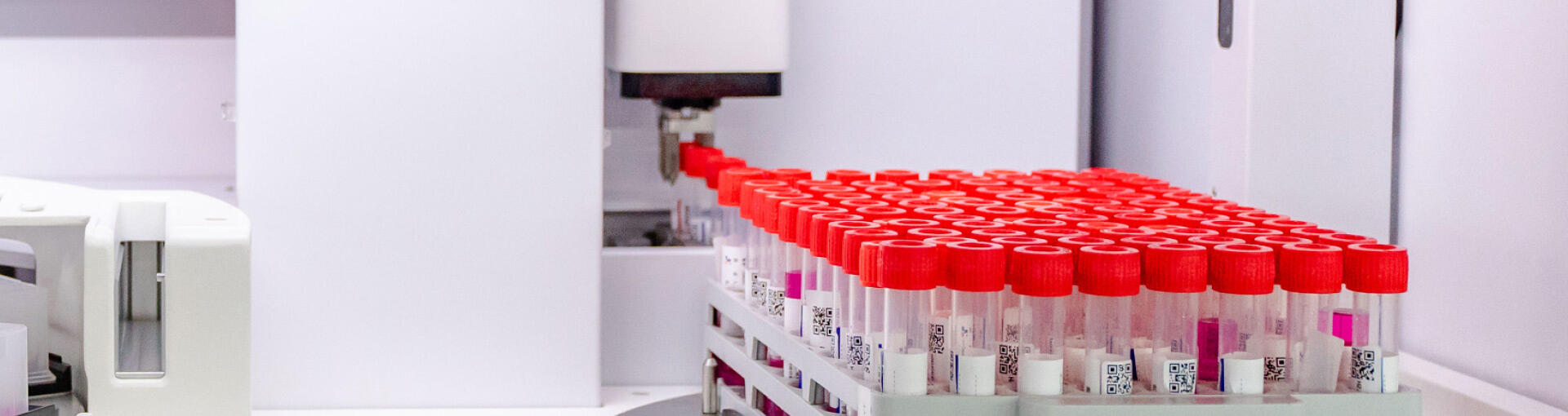
Why Nucleic Acid Sampling Tubes Are Critical for Pre-Analytical Stability
How pre-analytical variables compromise DNA and RNA integrity
Around 70 percent of problems in molecular tests actually start before anything even reaches the lab, mostly because of how samples get collected and handled. When nucleic acids are exposed to changing temperatures, enzymes going wild, or shifts in pH levels before they make it to processing, they tend to break down pretty fast. RNA is particularly fragile since it has this single strand structure that lets those pesky RNases tear it apart in just minutes if left at room temp. DNA isn't much better off either, getting damaged by oxidation and broken into pieces from enzymes already present in the sample itself. All these factors mess with what genes are active and how accurately mutations can be detected, which means many samples just won't work for things like PCR tests, sequencing, or microarray studies. Getting proper stabilization right at the point of collection stops this kind of molecular damage from happening, which keeps both diagnostics and research results accurate instead of skewed by bad sample quality.
Degradation risks in conventional tubes: Temperature dependence and enzymatic activity
Standard collection tubes lack stabilization mechanisms, creating critical vulnerabilities:
- Temperature sensitivity: Unstabilized RNA degrades 90% faster at 25°C versus 4°C within 24 hours
- Enzymatic breakdown: Active RNases and DNases in samples continuously digest nucleic acids
- Leakage risks: Non-sterile caps permit microbial contamination that accelerates decay
Standard EDTA blood collection tubes stop blood from clotting, but they do nothing to protect samples from degrading over time. What this means for labs is that samples need to be frozen right away, which becomes a real problem when transporting specimens between facilities. Even at minus 20 degrees Celsius, enzymes continue breaking down DNA and RNA molecules if there are no special chemical additives present. We've seen cases where samples stored improperly show significant fragmentation after just a few weeks in storage. These stability issues create major problems for long term research projects and really hamper efforts in precision medicine where consistent sample quality is absolutely critical across multiple testing phases.
How Nucleic Acid Sampling Tubes Stabilize Biomolecules at Ambient Temperature
Chemical stabilization mechanisms: RNase/DNase inhibition and molecular fixation
Specialized sampling tubes for nucleic acids work by stopping degradation through specific chemical processes. Inside these tubes are substances called irreversible inhibitors which stop enzymes like RNases and DNases from doing their job breaking down DNA and RNA so quickly. At the same time, certain salts known as chaotropes disrupt protein structures and lock nucleic acids in place through chemical bonding. This two-pronged approach stops enzymes from working while keeping the genetic material intact. Research shows that these specialized tubes can keep RNA samples above 95% quality for over a month even at room temperature, whereas regular tubes lose all sample integrity within just three days according to a study published in the Journal of Molecular Diagnostics last year. The biggest advantage? No need for refrigeration during transport, making them ideal for collecting samples in remote locations where lab facilities aren't available.
Dual-function formulations like DNA/RNA Shield: Stabilization + pathogen inactivation
Advanced nucleic acid sampling tubes integrate stabilization with biosafety. Specialized reagents like DNA/RNA Shield achieve dual outcomes:
- Immediate nuclease inhibition and nucleic acid fixation
- Concurrent pathogen neutralization through viral envelope disruption
This eliminates biohazards during transport while preserving sample quality. Independent testing shows 99.9% inactivation of enveloped viruses–including SARS-CoV-2–within 10 minutes of contact, without compromising downstream PCR analysis (Clinical Chemistry, 2023). Such integrated solutions enable safer processing for high-risk samples in decentralized settings.
Comparing Leading Nucleic Acid Sampling Tubes for DNA and RNA Stability
PAXgene, Tempus, and EDTA tubes: RNA stability performance benchmarks
EDTA tubes aren't so great for keeping RNA samples stable. The problem is that even small amounts of RNase left behind can cause degradation within just a few hours when stored at normal room temperatures. That's where systems like PAXgene and Tempus really shine. These products contain special chemicals that lock down nucleases right away when they come into contact with the sample. Research shows PAXgene keeps RNA quality intact with RIN scores above 7 for up to three days at around 25 degrees Celsius. Tempus goes one step further, maintaining sample stability for about five full days. When evaluating these systems, researchers look at several key factors including how well fragments stay intact after being stored for two days straight, whether reverse transcription works properly, and if there's any unwanted genomic DNA contamination. It's worth noting though that results can differ quite a bit depending on how much sample was collected and what kind of consistency it has. For best results, labs should validate their specific protocols before relying too heavily on either system.
Long-term stability data: DNA (up to 2 years) vs. RNA (up to 30 days) in stabilized tubes
Stabilization chemistry fundamentally alters biomolecular longevity, with DNA exhibiting far greater resilience than labile RNA. Dual-function stabilization solutions achieve:
| Biomolecule | Max Stability Period | Key Preservation Mechanism | Degradation Risk Factor |
|---|---|---|---|
| DNA | Up to 2 years | Chromatin cross-linking | Freeze-thaw cycles |
| RNA | Up to 30 days | RNase denaturation | Ambient oxidation |
Field data from genomic repositories confirms DNA remains amplifiable after 24-month storage at –20°C in stabilized tubes, whereas RNA requires specialized matrices for even 30-day stability. Crucially, not all stabilization chemistries support both molecules equally–certain formulations sacrifice DNA integrity for enhanced RNA protection.
Real-World Validation: Field and Clinical Evidence for Nucleic Acid Sampling Tubes
Saliva-based remote collection: RNA integrity after 7-day ambient transport
Saliva samples make it possible to do testing outside traditional labs, though there's a problem with RNA breaking down over time. Specialized collection tubes solve this issue by adding chemicals that keep the genetic material stable. Research has shown that when stored properly, these samples stay good enough for PCR testing even after sitting at room temperature for nearly a week. That means people living far from medical centers can just put their samples in the mail without needing special refrigeration during transport. Tests measuring RNA quality show numbers above 7.0 in these special tubes, while regular containers see those values drop quickly within hours. This kind of stability is really important for large scale health screenings and makes telemedicine services much more practical for rural areas where access to labs is limited.
Tropical field deployment: DNA stability in high-heat, high-humidity conditions
Tests conducted in various equatorial regions have shown just how tough these nucleic acid sampling tubes really are. According to recent studies focusing on tropical pathogens, over 98% of DNA remains intact even after sitting for a full month at temperatures reaching 38 degrees Celsius and humidity levels around 80%. That's impressive when we compare it to regular tubes which tend to break down DNA significantly under similar conditions. What makes these special tubes work so well? Their unique chemical makeup does two things at once it stops those pesky enzymes from destroying DNA while also keeping microbes from growing inside. This kind of performance is game changing for places where diseases like malaria and dengue run rampant. Field researchers tell stories about getting good sequencing results from samples that were actually transported by motorcycle through rough countryside roads, something that would normally ruin most samples.
Next-Generation Innovations in Nucleic Acid Sampling Tubes
Integrated biosafety: Inactivation of SARS-CoV-2 and other pathogens on contact
The latest generation of nucleic acid sampling tubes comes equipped with built-in pathogen inactivation technology. The special chemical formulations inside these tubes can knock out viruses such as SARS-CoV-2 very quickly after they come into contact with samples. This clever two-pronged method keeps genetic material stable while at the same time breaking down the virus structure itself, which means no dangerous biohazards when transporting samples around. Research indicates that these systems achieve over 99.9 percent effectiveness against enveloped viruses, all while maintaining high quality RNA samples. For laboratories operating under tight budget constraints or lacking proper biosafety equipment, this kind of innovation represents a real game changer in terms of safety and efficiency during sample handling processes.
| Advantage | Conventional Tubes | Next-Gen Tubes |
|---|---|---|
| Pathogen Risk | High (live virus transport) | Eliminated (instant inactivation) |
| Processing Safety | Requires BSL-2 facilities | Safe in basic lab conditions |
| RNA Integrity | Degrades without inhibitors | Maintained post-inactivation |
Point-of-collection stabilization for decentralized diagnostics and global supply chains
Field-ready nucleic acid sampling tubes enable ambient-temperature stabilization at the moment of collection. This bypasses cold-chain dependencies–critical for tropical regions and remote clinics. Samples retain DNA/RNA integrity for 30+ days without refrigeration, validated in 40°C/90% humidity environments. Such technology supports decentralized testing models by allowing:
- Shipment of diagnostic samples via standard postal networks
- Community health worker–led collection in low-infrastructure areas
- Large-scale screening programs with reduced logistical costs
Leading manufacturers report 98% sample viability after 7-day transit in real-world deployments across Southeast Asia and Sub-Saharan Africa.
FAQs
1. Why is RNA more fragile than DNA?
RNA's single-strand structure makes it more susceptible to enzymatic degradation, particularly by RNases.
2. How do nucleic acid sampling tubes prevent enzymatic degradation?
These tubes use specific chemical inhibitors to disrupt RNases and DNases, stopping them from breaking down the nucleic acids.
3. Do nucleic acid sampling tubes require refrigeration?
No, they are designed to keep samples stable even at room temperature, eliminating the need for refrigeration during transport.
4. How do next-generation tubes inactivate pathogens?
They incorporate chemical formulations that can disrupt viral envelopes, effectively neutralizing pathogens upon contact.
5. What is the advantage of dual-function stabilization solutions?
They simultaneously stabilize nucleic acids and inactivate pathogens, ensuring safety and sample integrity.
Table of Contents
- Why Nucleic Acid Sampling Tubes Are Critical for Pre-Analytical Stability
- How Nucleic Acid Sampling Tubes Stabilize Biomolecules at Ambient Temperature
- Comparing Leading Nucleic Acid Sampling Tubes for DNA and RNA Stability
- Real-World Validation: Field and Clinical Evidence for Nucleic Acid Sampling Tubes
- Next-Generation Innovations in Nucleic Acid Sampling Tubes
- FAQs