
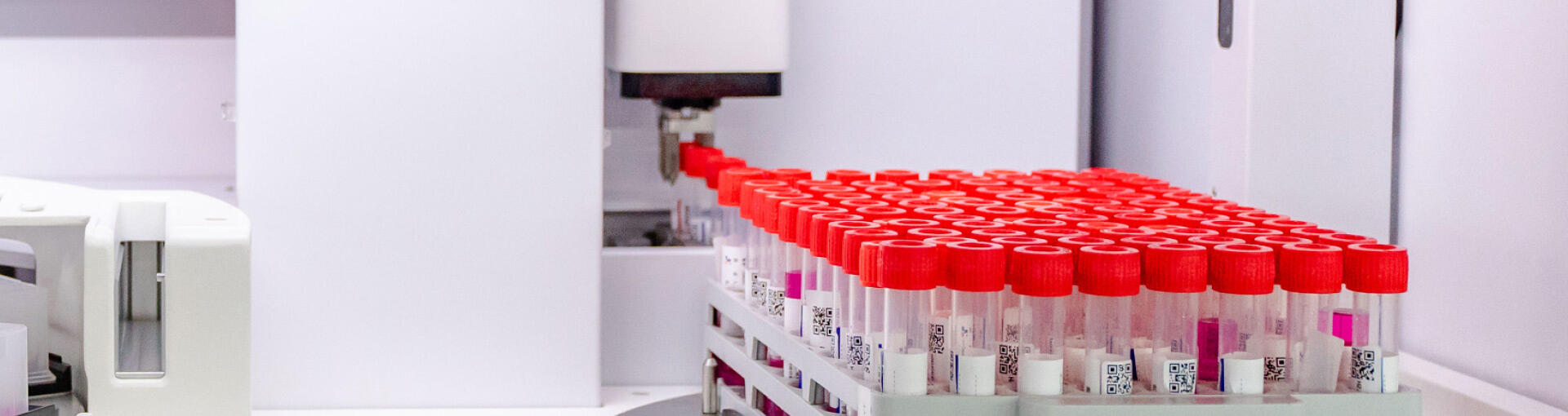
Understanding Nucleic Acid Sampling Tube Composition and Function
Key Components of Nucleic Acid Sampling Tubes That Influence Stability
When it comes to keeping samples intact in nucleic acid sampling tubes, there are basically three things that make all the difference: leak proof caps, special coatings inside, and those stabilization matrices. The caps usually have two silicone seals which stop stuff from evaporating or getting contaminated. Inside, there's this silicon dioxide coating that stops the nucleic acids from sticking to the sides of the tube. Clinical tests actually show this cuts down RNA loss by around 18%, which isn't bad at all. All these little design details come together so everything stays consistent before analysis, making sure whatever comes out of the lab is trustworthy and accurate for further testing.
Role of Stabilizing Reagents in Preserving DNA/RNA Integrity
Specialized stabilization reagents play a key role in keeping nucleic acids intact against breakdown processes. These products typically mix several ingredients including chelators, enzymes blockers, and antioxidants that work together to stop enzyme action, maintain proper acidity levels, and prevent harmful oxidation reactions. Recent testing across multiple labs showed impressive results where RNA samples stored in these proprietary solutions remained stable at refrigerator temperatures for around two weeks instead of just three days when using standard EDTA tubes. This extended shelf life makes a real difference in how laboratories manage their biological samples day to day.
Impact of Tube Material on Sample Quality and Long-Term Integrity
Most people consider polypropylene the top choice because it doesn't react chemically much and doesn't grab onto biomolecules easily. But there's been some interesting developments with treated polyethylene lately. Recent studies found that this alternative cuts down DNA damage during those tricky freeze-thaw processes by around 27%. For labs running PCR tests, keeping things clean matters a lot. That's why manufacturers go out of their way to keep leachable materials under 0.01% these days. Even tiny amounts of plasticizers can mess up the amplification process and make assays less sensitive than they should be.
Optimal Temperature Conditions for Nucleic Acid Sampling Tube Storage
Precise temperature control is the most crucial factor in maintaining nucleic acid integrity during storage. While -80°C remains ideal for long-term preservation, modern applications demand adaptable solutions that balance analytical performance with logistical practicality across clinical, research, and field environments.
Ultra-Low Temperature (-80°C) Storage: Maximizing Sample Longevity
Keeping samples at minus 80 degrees Celsius stops enzymes from breaking down DNA and RNA while also preventing oxidation damage, which means these genetic materials can stay intact for many decades. Research published in 2024 found that blood plasma samples kept this way retained their tumor DNA content for about 14 days after processing, nearly half a month longer than when stored at just minus 20 degrees. Biobanks that hold onto precious biological samples really benefit from these super cold conditions since they stop the chemical bonds between nucleotides from breaking apart. Even after sitting around for ten whole years, these preserved samples remain useful for scientific studies and medical research purposes.
Short-Term Refrigeration (2–8°C): Practicality for Transport and Processing
Keeping things cold gives researchers about three days to move around and work with biological samples before they start breaking down significantly. Looking at over 1,200 different clinical samples in one study, scientists found that RNA quality scores stayed above 8.0 as long as samples remained refrigerated at around 4 degrees Celsius for no more than two days straight. That number matters a lot because it represents what most labs consider good enough material for running those important PCR tests. Once we go past that 72 hour mark though, bacteria begins multiplying faster inside these stored samples. Tests show bacterial colonies can grow nearly 27% larger after this point, which means higher chances of getting false results from contaminated samples. Time really becomes critical here for anyone handling lab specimens.
Room Temperature Innovations: Stabilization Technologies for Ambient Storage
New developments in freeze-dried stabilization tech mean viral RNA can stay stable at room temperature (around 25 degrees Celsius) for about a week now. These special buffers that don't contain EDTA but do include nuclease inhibitors and pH stabilizers recover more than 95% of the mRNA, which makes them great for testing outside of labs. When used in the field, these methods cut down on cold storage costs by around $18 per sample. Tests show they work just as well as samples kept frozen in malaria monitoring efforts according to World Health Organization data from last year. This kind of technology really helps out places where resources are limited and proper refrigeration isn't always possible.
Best Practices for Long-Term Storage of Genetic Material
Guidelines for Preventing Degradation During Extended Cryopreservation
The key to good cryopreservation lies in controlled rate freezing around 1 to 3 degrees Celsius per minute. This slow cooling process helps prevent those damaging ice crystals from forming inside cells. When working with biological samples, many labs add cryoprotectants such as dimethyl sulfoxide, commonly known as DMSO. These substances act as cellular shields against dehydration while keeping DNA and RNA intact for months or even years. Storage conditions matter too. Putting samples in vapor phase liquid nitrogen tanks at temperatures below minus 150 degrees Celsius cuts down on oxidative stress by roughly ninety percent when compared to regular mechanical freezers according to recent findings published last year in the Biobanking Report. This makes all the difference for long term sample viability.
Minimizing Freeze-Thaw Cycles to Maintain Nucleic Acid Integrity
Repeated freezing and thawing tends to break down nucleic acids somewhere between 5% and 15% each time, though RNA really takes the brunt of it. The best approach? Split samples into individual portions right from the start. Using those special low binding tubes makes all the difference too, since they cut down on how many times samples actually get exposed to those temperature swings. Many labs now rely on automated inventory systems with barcodes to keep track of everything. These systems make sure older samples get used first and reduce how often people need to handle them. Makes perfect sense when we're talking about long term genetic research where sample quality matters so much over time.
Assessing the Feasibility of Indefinite RNA Storage in Clinical Biobanks
Indefinite storage of RNA is still just theory at this point, but what we can do now keeps samples viable for over 15 years when stored at minus 80 degrees Celsius. Some pretty cool tech like freeze drying and special stabilizing materials has actually kept 98 percent of samples working properly even after ten whole years sitting in storage, as shown by that big Genomic Preservation report from 2024. This kind of progress means researchers aren't stuck racing against time anymore. The old samples become much more valuable down the road for all sorts of genetic studies that might not even be thought of yet.
Environmental Factors Influencing Nucleic Acid Preservation
Humidity Control and Seal Integrity in Nucleic Acid Sampling Tubes
Moisture in the air can really mess with how stable nucleic acids stay over time because it encourages something called hydrolysis. The best tubes for storing these sensitive materials typically have those threaded caps combined with either silicone gaskets or some kind of laminated sealing system to keep moisture out. Recent research from last year showed just how critical this is. When the seals were damaged, samples degraded at around 18% after just three days at 60% humidity levels. Compare that to samples stored properly where degradation stayed below 2%. These numbers show why getting good quality seals matters so much when we need to store biological samples for extended periods.
Protecting Samples from Light Exposure and Oxidative Damage
Exposure to UV light creates problems for genetic material by forming thymine dimers in DNA strands and breaking apart RNA through free radicals. That's why most top quality labs now store samples in amber glass containers or wrap them in dark plastic bags. The antioxidant EDTA works wonders when added to preservation solutions. It grabs those pesky reactive oxygen molecules before they can cause harm. Some studies show that including these stabilizers cuts down on oxidative damage by almost 90% after just 30 days sitting at room temperature. This makes biological samples much more robust over time, which matters a lot for long term research projects.
Emerging Use of Smart Sensors for Real-Time Storage Condition Monitoring
Sampling tubes of the newer generation now come equipped with tiny sensors that track changes in temperature, moisture levels, and light exposure as they happen. When these Internet-connected devices detect anything outside normal ranges, they automatically trigger warnings so staff can step in before samples start to break down. Labs that switched to this technology early on saw their rejected sample count drop by around two thirds compared to what they experienced with regular storage methods. This kind of smart monitoring is really changing how biobanks operate day to day, making it easier to preserve valuable biological materials without constant manual checks.
Frequently Asked Questions
What materials are commonly used in nucleic acid sampling tubes?
Polypropylene is widely used due to its low chemical reactivity and inability to easily bind biomolecules, making it a popular choice.
How do stabilizing reagents help preserve DNA/RNA?
Stabilizing reagents typically contain chelators, enzyme blockers, and antioxidants to prevent enzyme reactions and oxidation, thereby preserving DNA/RNA integrity.
What is the ideal temperature for long-term storage of genetic material in biobanks?
An ultra-low temperature of -80°C is ideal for long-term preservation as it prevents enzymatic breakdown and oxidative damage.