
How Urine Specimen Container Design Affects Diagnostic Accuracy
Key Design Features That Support Sample Integrity
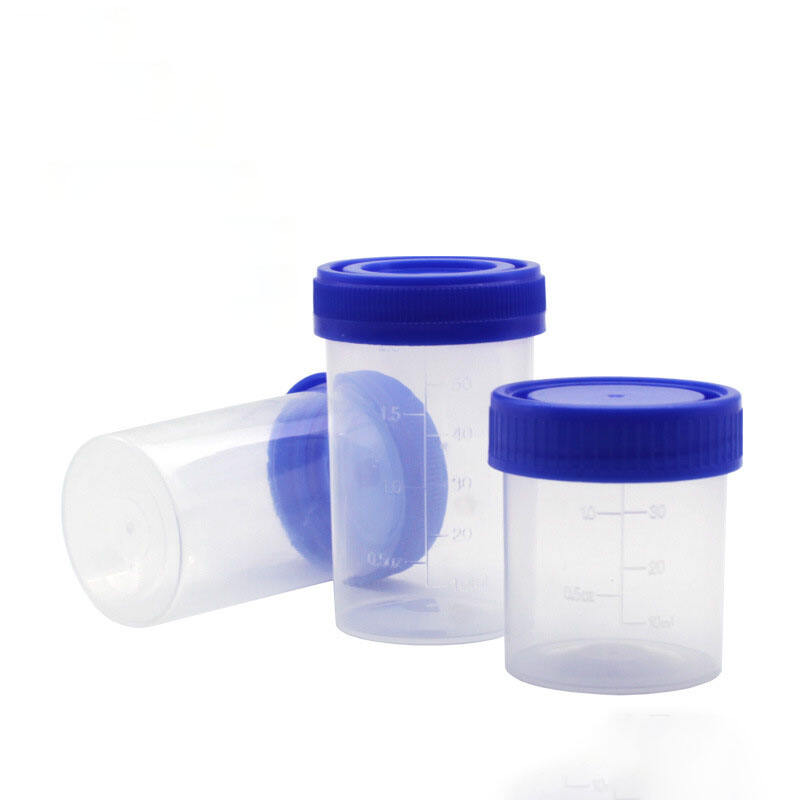
Specimen containers designed for urine samples come equipped with features that cut down on pre-analytical mistakes. According to CLIA guidelines from 2023, these containers have leak proof seals made from non reactive polyethylene material plus volume markings that help lab staff measure accurately. That alone brings error rates down by about 38%. The threaded lids do their job well too, keeping samples from evaporating or getting contaminated when they're being transported around the lab. And those dark colored walls? They're there specifically to shield sensitive substances like bilirubin from light exposure. Manufacturers go above and beyond standard requirements set by ISO 13485 certification. Clinical testing shows these high quality containers achieve almost perfect sterility at 99.3%, which means doctors can trust the test results whether they're checking for drugs in someone's system or diagnosing urinary tract infections.
Impact of Container Sterility on Test Reliability
About 5% of samples taken without proper sterile containers end up contaminated with microbes, which causes those annoying false positive results that just prolong getting the right treatment as shown in research from the Journal of Clinical Microbiology last year. When labs switch to certified sterile containers featuring those tamper proof seals though, they actually follow World Health Organization guidelines for maintaining sample integrity throughout the whole testing process, something especially important when dealing with legal cases or employee health screenings. The Centers for Disease Control found something pretty impressive too back in 2023. Clinics that made the switch saw their patients prescribed fewer antibiotics unnecessarily because doctors could tell for sure whether someone really had a UTI or not based on cleaner test results.
Open Cups vs. Sealed Diagnostic Containers: Reducing Contamination Risks
| Feature | Open Cups | Sealed Containers |
|---|---|---|
| Contamination Risk | High (airborne exposure) | Low (closed system) |
| Ideal Use Case | Immediate on-site tests | Transported specimens |
| Error Rate | 12% (CLIA 2023) | 2.1% (CLIA 2023) |
Sealed systems equipped with one-way valves prevent backflow during collection, a critical feature for proteinuria and pregnancy testing where sample purity is paramount.
Common Sources of Pre-Analytical Errors in Urine Collection
Container selection contributes to 61% of pre-analytical errors in metabolic panels (CAP Q-Probes 2024). Non-standardized volumes compromise accuracy in 24-hour collections, while acidic container materials (pH >5) degrade ketone levels. For temperature-sensitive specimens, insulated containers with built-in preservation strips help stabilize pH and specific gravity during transit, preserving diagnostic integrity.
Leak-Proof and Tamper-Evident Features for Sample Security
Engineering Leak-Proof Mechanisms to Preserve Sample Volume and Purity
Urine collection containers today come equipped with several layers of sealing technology designed specifically to stop leaks. The necks are precision molded to fit snugly with those twist-on lids, creating pretty much airtight seals. Plus there are these silicone gaskets inside too, acting as backup protection if something goes wrong with the main seal. When shipping samples via plane, pressure balanced designs help fight off vacuum issues caused by changing altitudes, so the seals stay intact throughout transportation. All these features matter because they protect the amount and quality of the sample collected. Without proper containment, labs might miss important signs of health problems like diabetes or kidney issues in their tests. Some containers even have built-in leak detection strips that change color when moisture escapes. Lab technicians can spot these early warning signs and set aside damaged samples before running expensive analyses on them.
Tamper-Evident Seals and Their Role in Chain-of-Custody Protocols
Containers designed to show tampering have special seals that can't be reset once broken, making it obvious when someone opens them without permission. When the lid comes off, breakaway bands simply snap apart, while those fancy holographic stickers start to look damaged or faded if anyone messes with them. According to some studies published in the Journal of Forensic Medicine back in 2022, these security features actually cut down on arguments about who handled what samples by around two thirds in workplace drug tests. The newer versions go even further with built-in temperature sensors that record timestamps right when sealed, so they track how specimens were stored and moved from point A to B during their entire trip through the system.
Case Study: Minimizing False Positives with Secure Urine Specimen Containers
In a recent 12 month study at several hospitals, researchers looked at how regular sample cups stacked up against special security containers designed for better protection. What they found was pretty impressive: those sealed systems cut down on wrong UTI diagnoses by almost half because they kept out all those pesky airborne particles that float around when samples get moved between wards. Plus there were these tamper indicators on the containers too. Staff actually caught about one fifth of samples that had been mishandled before tests even started, saving roughly eighteen thousand dollars worth of unnecessary repeat testing costs. Now hospitals switching to these secure containers report hitting 93 percent compliance with CLIA's pre analysis requirements, way better than the 67 percent compliance rate seen with ordinary open top cups. Makes sense really since proper handling matters so much for accurate results.
Types of Urine Specimen Containers and Clinical Use Cases
Healthcare providers rely on urine specimen containers optimized for specific testing requirements to minimize diagnostic errors. Container selection directly impacts workflow efficiency and result reliability across diverse clinical scenarios.
Standard Containers vs. Specialized Designs for Targeted Diagnostics
The standard 60 to 120 mL polypropylene containers with those screw top lids work great for everyday urine tests and basic blood chemistry checks. These containers resist most chemicals and let lab techs see what's inside, plus they fit nicely into most automatic testing machines. There are also special versions available for different needs. Sterile containers come in handy when growing bacteria samples, while others have preservatives added specifically for hormone testing. These treated containers keep things stable so metabolites don't break down and pH stays consistent even during long collection periods such as the full 24 hour urine samples that doctors sometimes request.
Applications Across Healthcare Settings: Clinic, Home, and Workplace Testing
- Clinics: Utilize tamper-evident containers with barcodes to streamline high-volume processing and ensure traceability
- Home testing: Require leak-proof designs and illustrated instructions to minimize user error
- Occupational health screenings: Depend on chain-of-custody-compliant containers with integrated sealing mechanisms to meet regulatory standards
Temperature Strips and Smart Containers With Integrated Preservatives
Containers with temperature-sensitive strips verify proper storage conditions, crucial for tests like protein electrophoresis and drug metabolite analysis. Some advanced models contain built-in preservativesâsuch as boric acid to maintain bacterial counts for up to 24 hours or EDTA to inhibit cellular degradationâreducing false-negative outcomes when processing is delayed.
Emerging Trends: Sensor-Equipped and IoT-Enabled Urine Specimen Containers
Next-generation containers embed sensors to monitor real-time glucose levels, improving diabetic monitoring accuracy by 5.8%. Others perform automated nitrite detection for early UTI screening. IoT-enabled devices securely transmit data to electronic health records (EHRs), enhancing remote patient monitoring while adhering to HIPAA-compliant encryption standards.
Best Practices for Using Urine Specimen Containers Correctly
Patient education and adherence to proper collection techniques
Effective use begins with clear patient instruction, as 38% of pre-analytical errors stem from improper midstream collection (CLSI 2023). Clinicians should emphasize three key steps:
- Midstream capture: Discard the initial flow to flush urethral contaminants
- Non-contact handling: Avoid touching the container’s interior or lid threads
- Timed storage: Refrigerate samples within two hours if immediate processing is not possible
Digital instruction sheets with scannable QR codes have reduced collection errors by 52% in remote testing settings, according to recent trials.
Avoiding contamination during at-home and remote sample collection
At-home collection poses unique risks, with bacterial overgrowth occurring in 23% of samples stored above 8°C (Clinical Microbiology Journal 2023). Effective mitigation includes:
- Using containers with integrated temperature strips to confirm proper storage
- Employing tamper-evident lids that change color upon breach
- Providing single-use antiseptic wipes for genital cleansing before voiding
A 2024 study found that leak-proof containers with reverse-thread caps reduced spill-related retests by 41% compared to traditional screw-top designs. Clear pictorial guides on positioning the container during urination also lowered contamination rates in elderly patients by 33%.
FAQs
Why is container design important for urine specimen collection?
Container design affects diagnostic accuracy by preventing contamination, maintaining sample integrity, and ensuring sterility, which reduces false positives and diagnostic errors.
What are the benefits of using sealed containers over open cups?
Sealed containers reduce contamination risks and maintain sample purity, making them suitable for transported specimens and reducing diagnostic errors compared to open cups.
How do tamper-evident seals contribute to sample security?
Tamper-evident seals indicate unauthorized access, protecting sample integrity and maintaining chain-of-custody protocols in legal and workplace testing situations.
Table of Contents
- How Urine Specimen Container Design Affects Diagnostic Accuracy
- Leak-Proof and Tamper-Evident Features for Sample Security
- Types of Urine Specimen Containers and Clinical Use Cases
- Best Practices for Using Urine Specimen Containers Correctly
- Patient education and adherence to proper collection techniques
- Avoiding contamination during at-home and remote sample collection
- FAQs