
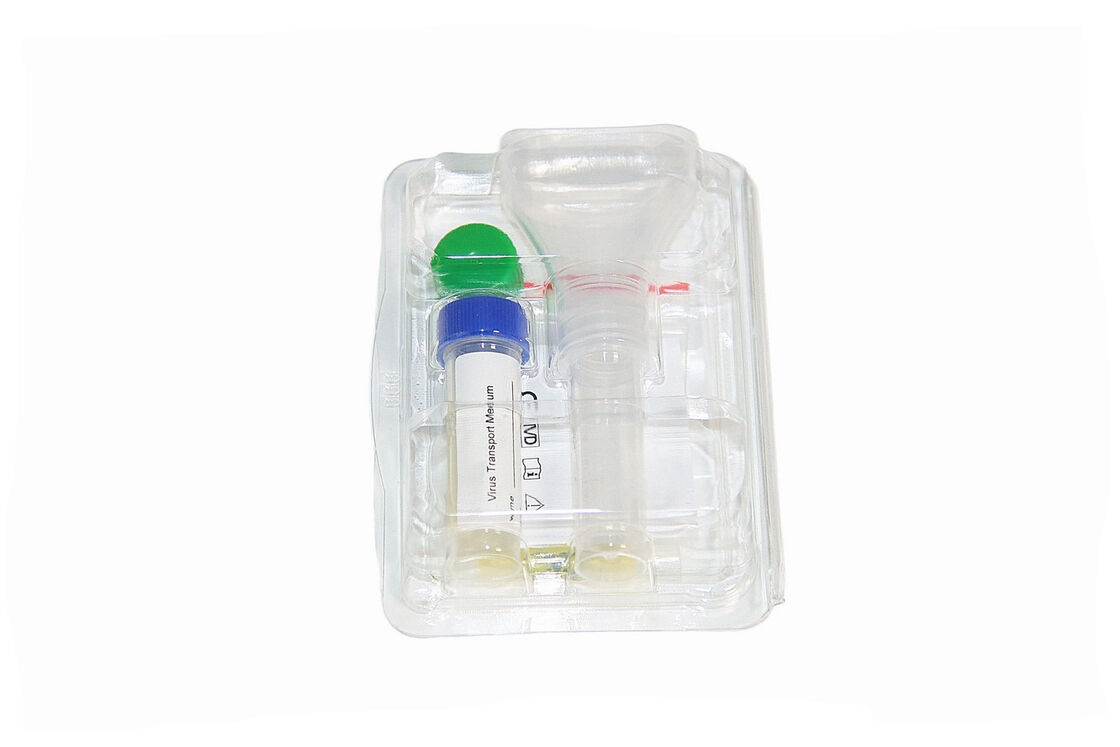
Key Design Features of Saliva Test Kit Tubes That Preserve Sample Integrity
Why Sample Integrity Matters in Non-Invasive Diagnostics
Maintaining sample integrity begins at collection. Recent studies show that nearly 90% of diagnostic errors result from poor initial sample handling. Saliva test kit tubes are specially engineered to preserve vital biomarkers such as hormones and viral RNA via a “triple protection system.” This involves immediate chemical stabilization, tight physical sealing, and ongoing protection during transport. These tubes reduce hemoglobin degradation by up to 87%, ensuring more reliable lab results.
Leak-Proof and Shock-Resistant Tubes that Comply with UN3373 Standards
Saliva test kit tubes conform rigorously to UN3373 packaging regulations. Designed with two-part containers and absorbent materials, they can hold more liquid than their nominal capacity by 2.5 times. Independent testing demonstrates their durability, maintaining seal integrity after drops from two meters according to ISTA 3A standards. Using FDA-approved polypropylene and compression-molded threads, leakage rates remain as low as 0.02% even under variable shipping conditions, including air travel with pressure changes.
High-Quality Materials Reduce Contamination and Preserve Sample Quality
Our tubes utilize medical-grade polymers that decrease biomolecule sticking by approximately 64% versus standard plastics. Bromobutyl rubber stoppers outperform natural rubber, maintaining sealing properties 31% longer in humid environments. These materials pass USP Class VI testing to ensure no harmful substances leach into the samples during the 14-day storage period necessary for accurate steroid hormone assays.
Chemical Stabilization Techniques in Saliva Collection Tubes
Effective Inhibitors of Bacterial Growth and Enzymatic Breakdown
Stabilizing chemicals like EDTA and guanidine thiocyanate inhibit bacterial proliferation and enzyme activity. Research confirms EDTA solutions stop 99% of bacterial growth, preserving proteins at room temperature for up to two weeks, especially when combined with RNase inhibitors. This ensures samples containing markers like cortisol remain stable through transit and processing.
pH Control Optimizes DNA and RNA Preservation for Molecular Diagnostics
Saliva tubes maintain pH between 6.5 and 7.5, aligning with ISO 20184-2:2021 standards. This careful pH control preserves nucleic acids, allowing 98% viral RNA recovery after 72-hour shipments, as confirmed by CDC protocols. Such precise conditions are critical for accurate molecular testing.
Comparison of Stabilization Reagents Across Leading Brands
Third-party assessments show guanidine-based reagents achieve 95% DNA yield preservation and 99.9% bacterial inhibition over seven days, outperforming alternatives like proteinase K and alcohol preservatives. While all meet basic packaging standards, guanidine formulations ensure consistent high accuracy in PCR, ELISA, and next-generation sequencing assays.
Temperature Management During Transport
Thermal Sensitivity of Salivary Biomarkers Like Cortisol and Nucleic Acids
Cortisol degrades rapidly above 25°C, losing assay detectability within 8 hours. DNA and RNA become unstable above 4°C after 48 hours. Even brief heat exposure risks sample integrity and test reliability for hormone and viral assays.
Ambient-Stable Kits Extend Storage Without Refrigeration
Freeze-dried stabilizers in modern saliva kits enable ambient storage for 7-14 days, cutting RNA degradation by over 20% compared with standard tubes, which lose significant RNA content after three days at room temperature. This reduces retesting rates and supports samples collected far from labs.
Cold Chain Logistics: Benefits and Environmental Challenges
Cold chain shipping (-20°C to 4°C) remains essential for sensitive testing but contributes substantially to costs and CO2 emissions, nearly 40% of total transportation expenses. Temperature fluctuations affect about 12% of deliveries, jeopardizing sample integrity. Innovative shipping solutions seek to balance cost, environmental impact, and stability needs.
Innovations in Smart Packaging and Sample Monitoring
IoT-Enabled Temperature Sensors Reduce Temperature Excursions
New saliva tubes feature NFC-enabled loggers and phase change materials maintaining 2-8°C for four days without power. Real-time alerts on temperature deviations cut harmful spikes by over 60%, enhancing sample protection throughout transport.
Future Prospects: Vacuum Insulation and GPS Tracking
Emerging hybrid designs combine vacuum insulation with GPS tracking to improve cold chain efficiency and reduce refrigerant use by 25%. These innovations promise cost savings and greener logistics for large-scale sample transport.
Best Practices for Sample Handling, Transport, and Storage
Strict Manufacturer Handling Protocols Preserve Sample Quality
Ensuring tube seals meet UN3373 standards and applying tamper-evident labels prevent 25% of common pre-analytic errors. Maintaining samples below 25°C especially soon after collection safeguards heat-sensitive markers like cortisol.
Timely Processing Windows Affect Diagnostic Accuracy
While stabilizers allow samples to remain stable for up to three days at room temperature, DNA quality decreases after 48 hours; cortisol requires processing within 24 hours. RNA detection significantly declines past manufacturer-recommended windows, cutting accuracy by up to 34%, underscoring transport timing’s critical role.
Laboratory Workflow Standardization Enhances Consistency
Following ISO 15189 standards and using temperature monitoring tools, along with comprehensive sample tracking, leads to roughly 40% improvement in consistent results across multiple sites, according to the College of American Pathologists research.