
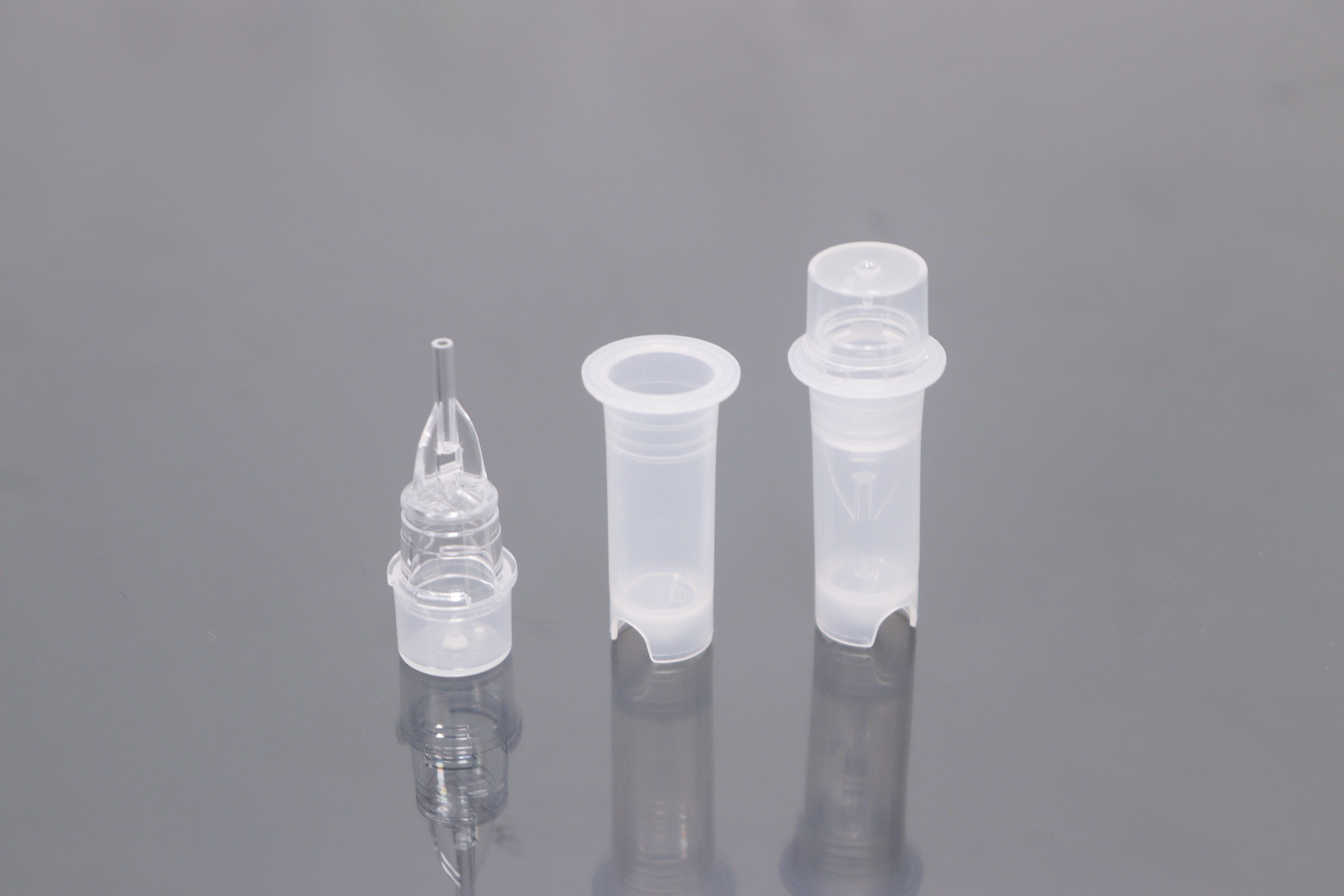
Understanding Patient Discomfort in Capillary Blood Sampling
The Prevalence of Pain and Anxiety During Fingerstick Sampling
Around two thirds of adults get anxious before having their blood drawn through capillaries, according to a recent study published in Diagnostics back in 2023. And nearly half say they feel moderate to severe pain when it actually happens. People tend to feel uncomfortable for two main reasons really. There's the actual physical stuff like tissue damage from the needle, but there's also the mental side of things too. Some folks are scared of getting stuck multiple times while others just don't like feeling out of control during medical procedures. Younger people generally struggle more with this kind of thing. Same goes for anyone who needs regular check ups, especially diabetics who have to monitor their blood sugar all the time. This anxiety often means tests get postponed or skipped altogether which isn't great for health outcomes in the long run.
Common Causes of Patient Discomfort in Capillary Blood Collection Methods
Four primary factors contribute to patient discomfort:
- Lancet mechanics: Inconsistent penetration depth or dull blades increase shear force
- Operator technique: Excessive squeezing damages peripheral nerves and introduces contamination
- Site selection: High nerve-density areas like fingertips heighten pain compared to alternative sites
- Device ergonomics: Poor grip stability during self-collection amplifies perceived pain
These issues are linked to elevated cortisol levels, which may skew metabolic test results when samples are collected under stress.
How Patient Comfort Impacts Compliance and Sample Quality
When patients find blood collection comfortable, they tend to stick with their monitoring routines much better over time. Studies show that comfort-focused approaches actually boost adherence rates by around 31% for people managing chronic conditions. Looking back at research from 2018 in metabolomics, scientists discovered something interesting about sample quality too. Blood taken using less painful methods showed about 23% better stability of important substances because there was less breakdown from patients moving during collection. On the flip side, when the process becomes stressful, it can lead to problems like platelet activation and changes in blood concentration. These issues damage sample quality and often mean doctors have to ask patients to come back again, which puts extra pressure on already busy healthcare systems.
How Capillary Blood Sample Collector Design Affects Pain Levels
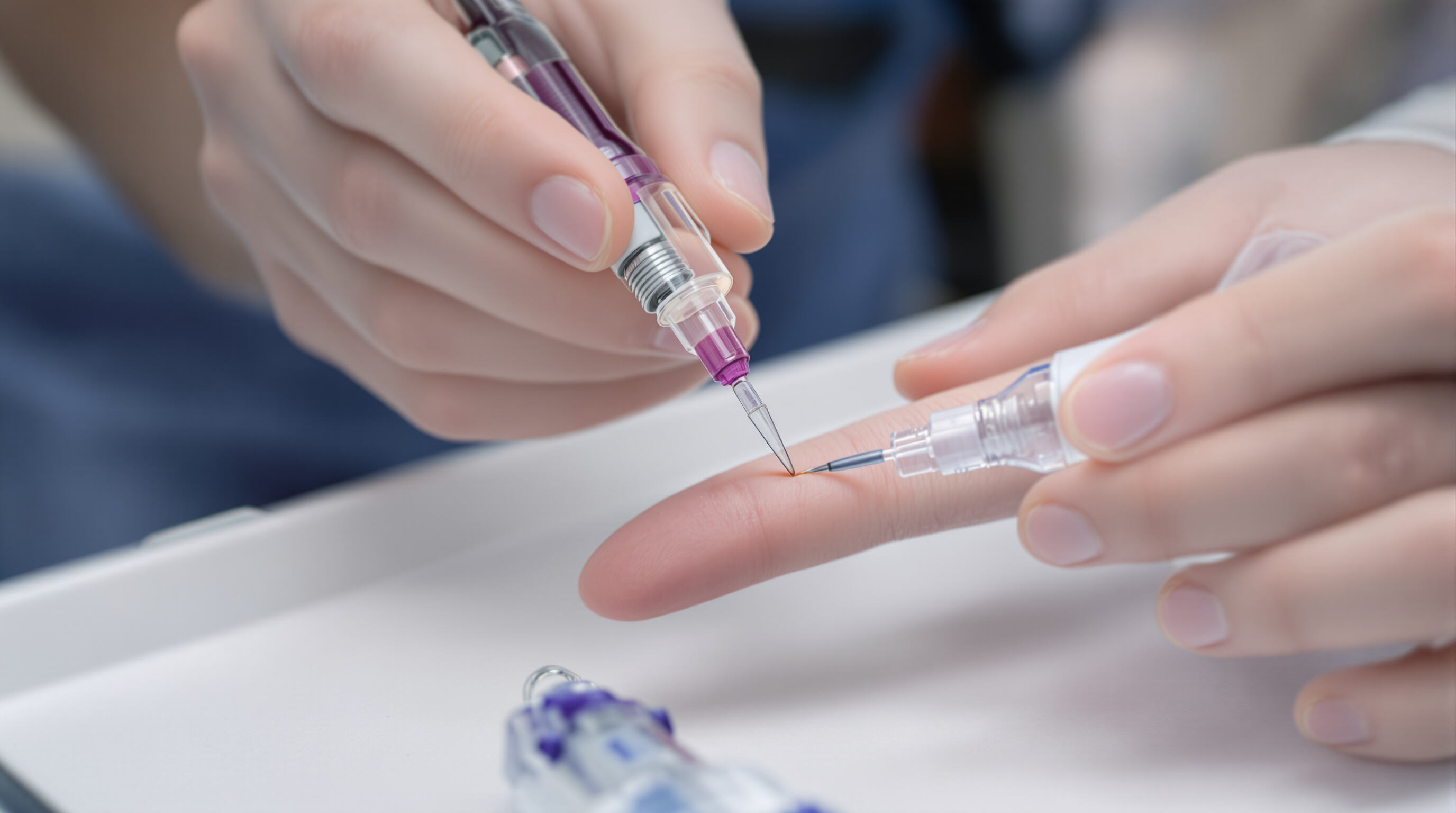
Lancet Mechanisms: Spring-Loaded vs. Manual Devices for Pain Reduction
Spring-loaded lancet mechanisms significantly reduce discomfort by delivering consistent puncture speed and force. A 2023 clinical evaluation in Diagnostics found these automated devices resulted in 43% lower patient-reported pain scores compared to manual alternatives, minimizing uneven pressure application– a major contributor to procedural anxiety.
Depth Control and Precision Targeting to Minimize Tissue Trauma
Adjustable depth settings (0.3–1.8 mm) allow customization based on individual skin thickness, reducing accidental contact with nerve-rich tissue. Devices with <0.5 mm precision in lancet positioning lower capillary wall damage by 30%, preserving sample quality and shortening healing time.
Ergonomic Features, Vibration Dampening, and User Stability
Angled grips and textured surfaces enhance control for both clinicians and self-users, reducing lateral motion that extends tissue injury. Advanced models with integrated vibration-dampening systems suppress high-frequency oscillations associated with prolonged discomfort, with 82% of users reporting greater confidence during procedures using stability-focused designs.
Innovative Capillary Blood Sample Collectors Improving Patient Comfort
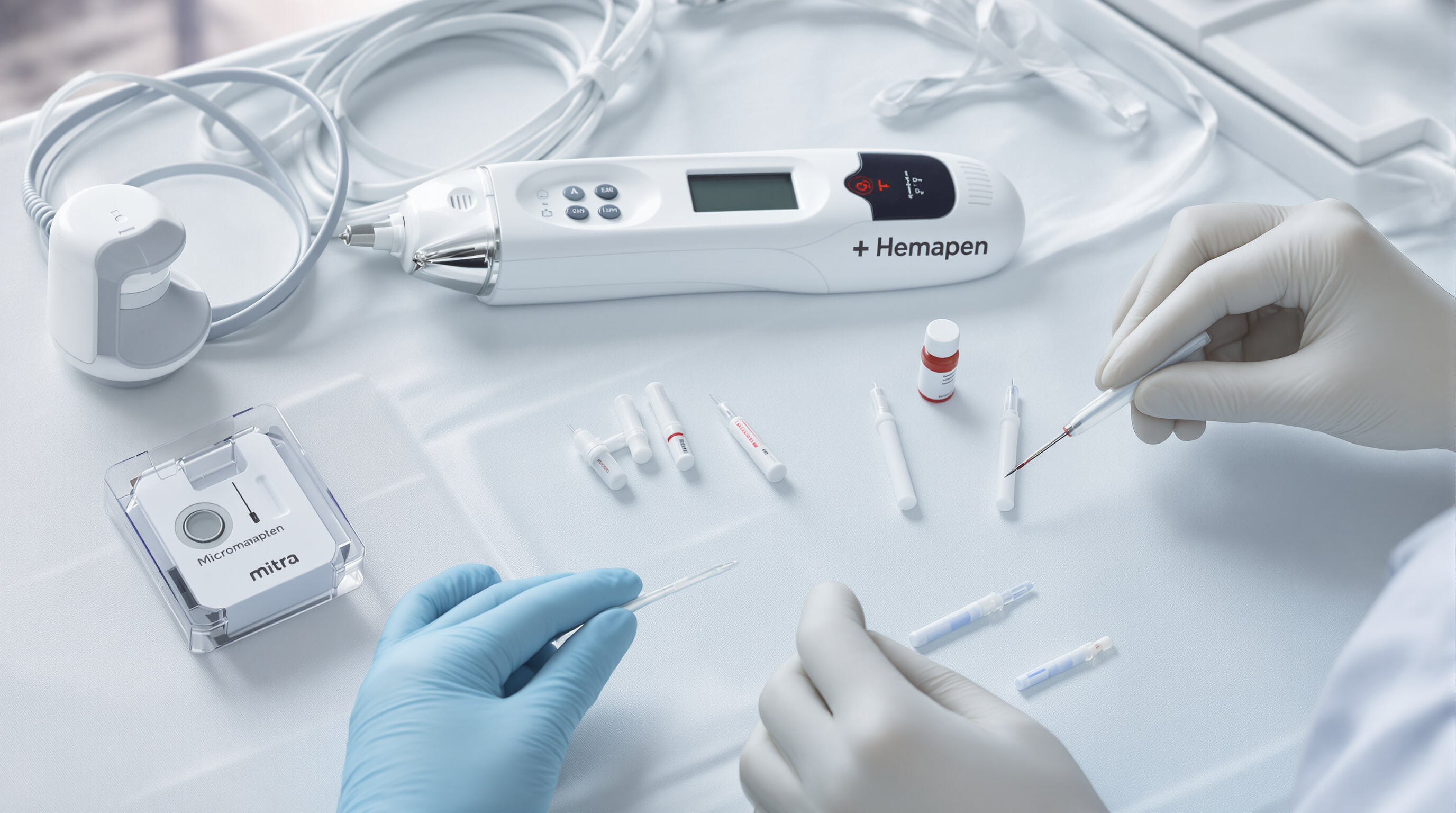
Modern capillary blood collection devices are incorporating patient-centered engineering to address historical pain points in microsampling. These innovations demonstrate how targeted design improvements can enhance both comfort and clinical reliability.
Hemapen®: Precision Engineering for Low-Pain Microsampling
The Hemapen® system uses spring-loaded cartridges with optimized 0.85–1.0 mm penetration depths to access capillaries while avoiding nerve stimulation. A clinical evaluation in Analytical Chemistry found its single-use design reduced hematocrit bias by 62% compared to manual lancets (Deprez et al., 2019), enabling accurate results from smaller, less invasive samples.
Mitra® with VAMS®: Volumetric Absorptive Microsampling for Minimal Invasiveness
Mitra®’s polymer tip technology absorbs a fixed 10–20 μL blood volume regardless of angle or pressure, eliminating variability caused by the hematocrit effect seen in 73% of conventional dried blood spot samples (Kok & Fillet, 2018). This consistency reduces the need for repeat sampling, particularly beneficial for patients with fragile capillaries.
Patient-Reported Outcomes and Tolerability of Advanced Collectors
A 2023 study of 327 patients in Diagnostics revealed 82% preferred advanced collectors over traditional methods, citing:
- 53% reduction in perceived pain (measured on VAS scale)
- 68% decrease in procedural anxiety
- 40% shorter healing time at puncture sites
Patients with chronic conditions showed 91% adherence rates with advanced devices, compared to 64% with standard lancets.
Best Practices for Reducing Discomfort During Capillary Blood Collection
Optimal Site Selection and Skin Warming Techniques
Going for the side of the middle or ring finger helps avoid nerves and gets better blood flow at the same time. Putting on a warm compress for around half a minute to a full minute opens up those tiny blood vessels, which means the needle doesn't have to go as deep maybe about 30% less deep according to some studies from Catala and others back in 2018. Success rates on the first try go up by roughly a quarter too. Steer clear of spots where there's lots of calluses forming and switch fingers when possible between procedures. This rotation prevents the skin from getting too tough over time, making future attempts easier overall.
Proper Handling and Procedural Consistency to Reduce Pain
Trained operators using standardized techniques and spring-loaded devices achieve 40% fewer repeat punctures than with manual methods. Maintain a 90–110° insertion angle and avoid milking the finger, which introduces interstitial fluid contamination in 18% of cases. Quick-release mechanisms and vibration-dampened collectors further reduce anxiety by shortening procedure duration and enhancing control.
Frequently Asked Questions (FAQ)
1. Why do people feel anxious before capillary blood sampling?
Anxiety can stem from fear of pain, tissue damage, multiple needle pricks, and feeling out of control during procedures, particularly in younger people and those needing frequent tests.
2. What are the main causes of discomfort during capillary blood collection?
The main causes include lancet mechanics, operator technique, site selection, and device ergonomics.
3. How does patient comfort impact sample quality?
Comfortable procedures improve adherence and result in better sample quality by reducing issues like platelet activation and changes in blood concentration.
4. How do modern blood collection devices reduce pain levels?
Modern devices use spring-loaded mechanisms for consistent puncture, adjustable depth settings, and ergonomic features that reduce discomfort and enhance stability.
5. What are some best practices to reduce discomfort during blood collection?
Choosing optimal sites, using skin warming techniques, and employing standardized handling procedures with proper devices can significantly reduce discomfort.
Table of Contents
- Understanding Patient Discomfort in Capillary Blood Sampling
- How Capillary Blood Sample Collector Design Affects Pain Levels
- Innovative Capillary Blood Sample Collectors Improving Patient Comfort
- Best Practices for Reducing Discomfort During Capillary Blood Collection
-
Frequently Asked Questions (FAQ)
- 1. Why do people feel anxious before capillary blood sampling?
- 2. What are the main causes of discomfort during capillary blood collection?
- 3. How does patient comfort impact sample quality?
- 4. How do modern blood collection devices reduce pain levels?
- 5. What are some best practices to reduce discomfort during blood collection?