
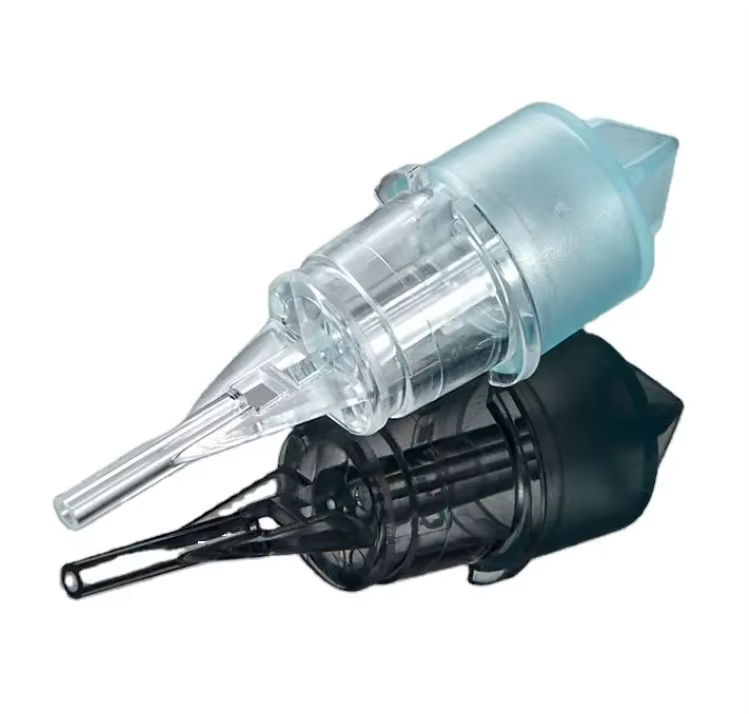
Understanding Capillary Blood Sample Collectors and Their Role in Modern Diagnostics
The Significance of Capillary Blood Sampling Devices in Medical Laboratory Workflows
The rise of capillary blood sample collectors has really changed how doctors get test results, making it much faster and less painful for patients. According to recent data from the 2024 Clinical Lab Efficiency Report, these little devices handle about half of all routine tests for kids and nearly a third of ongoing health monitoring cases in labs across the country. Traditional blood draws take forever and hurt quite a bit, but these new microsampling tools work with just a tiny drop of blood between 10 and 50 microliters. Pretty impressive considering they still give accurate readings for almost all standard biomarkers. For both patients and medical staff, this means less pain during testing and lab technicians can actually collect samples from 20% more people each day without any drop in the quality of those precious blood samples.
Key Applications of Capillary Blood Testing in Clinical and Point-of-Care Settings
Capillary blood testing meets essential requirements throughout various healthcare scenarios, from newborn screening programs all the way through to regular glucose monitoring in elderly patients. ERs have started adopting these tiny sampling tools which cut down troponin I test times by about seventy percent when assessing heart conditions, according to research published in the American Journal of Emergency Medicine last year. For doctors working in remote areas, there are now portable systems that can spot malaria cases accurately most of the time just from a simple finger prick. And as more people want to check their own vitamin D levels or cholesterol at home, manufacturers keep improving their products. Around sixty two out of every hundred remote testing kits on the market today actually use this capillary blood collection method instead of traditional venipuncture.
Critical Device Specifications: Sample Volume, Storage Conditions, and Collection Site Compatibility
High-performing capillary blood sample collectors must balance three operational parameters:
| Parameter | Clinical Requirement | Industry Standard |
|---|---|---|
| Minimum Sample Volume | 30 µL for 90% of immunoassays | ISO 15197:2013 |
| Storage Stability | 72h at 15–30°C for enzymes | CLSI EP25-A Guideline |
| Site Compatibility | Heel/palm success rate 95% | FDA 510(k) Class II Device |
A 2023 Cochrane Review found devices meeting these specifications reduced recollections by 41% in thrombocytopenic patients. Leading manufacturers now incorporate hydrophilic polymer coatings to maintain plasma separation efficiency across transport conditions.
Comparative Performance of Leading Capillary Blood Sample Collector Technologies
Mitra® with VAMS® vs. HemaPen®: A Head-to-Head Comparison of Microsampling Technologies
A 2023 clinical study shows that volumetric absorptive microsampling (VAMS) devices hit about 97.5% accuracy when collecting blood volumes compared to older techniques. What makes this tech stand out is how it gets rid of hematocrit bias problems by grabbing set amounts of blood between 10 and 50 microliters no matter what the blood's thickness is. That's pretty much a game changer compared to those pressure based systems we see with lancet driven devices. Both approaches let for sampling outside traditional labs, but VAMS tools cut down on preanalysis errors during hemoglobin tests by around 40%. The reason? Standardized drying procedures that make everything more consistent across samples.
Volumetric Accuracy and Reliability of Microsampling Devices in Lab Environments
Tests done by independent labs show that the best capillary blood sample collectors maintain a coefficient of variation below 5% after over 1,000 tests when measuring standard biomarkers such as glucose levels and cholesterol. Collectors that come with built in quality checks like those visible fill lines actually boost the chance of getting a good sample on the first try to around 94%, which is particularly important when dealing with kids. There's one catch though samples start to lose stability if temperatures go above 28 degrees Celsius during transport, especially when there's no temperature control involved. This temperature issue can affect results by roughly 12% in some cases.
Integration of Microcuvettes and Sample Carriers With Downstream Analytical Systems
The latest capillary collectors with their standard microcuvette setup actually cut down on analyzer processing time by around half a minute per sample when we compare them to those old manual transfer techniques. According to a recent 2024 report on laboratory efficiency, something like seven out of ten high volume labs now prefer equipment that comes with pre-labeled carriers which work straight out of the box with HPLC machines and mass spec systems. What this means is real world benefits too - these compatible systems slash transcription mistakes by almost all (about 92%) in big metabolic research projects. Plus they still meet those strict ISO 15189 standards from 2022 regarding where samples come from and go to throughout testing processes. Labs are definitely seeing value here beyond just saving time.
Evaluating Lab Suitability: Device Compatibility and Operational Efficiency
Microtainers® in Capillary Collection: Strengths and Limitations for High-Throughput Labs
Microtainers® balance high-volume processing with sample integrity, processing up to 300 specimens per hour in automated systems. While their standardized 0.5 mL capacity simplifies bulk processing, studies show a 12% rejection rate in hemoglobin testing due to microclot formation – a critical limitation for labs prioritizing clotting-sensitive assays.
Ensuring Compatibility Between POC Devices and Centralized Laboratory Analyzers
Unified data formats reduce errors by 38% in multi-device workflows (Ponemon 2023). Manufacturers now deploy universal LIS/HL7 interfaces requiring 2 hours of staff training and temperature-controlled transfer pods that maintain sample viability for over 72 hours. This interoperability eliminates the need for manual transcription, cutting processing delays by 40% in high-volume labs.
Impact of Sample Handling and Transport on Data Integrity and Turnaround Time
Blood sample collectors need to keep temperatures within about 2 degrees Celsius variation during transport if we want to avoid breaking down the important substances in the samples. When samples sit around too long, say over ninety minutes or so, glucose levels start dropping by roughly 20 percent and complete blood count results get messed up by about 17 percent. The good news is that new automated systems connected to those little internet sensors have improved things a lot. These smart tracking devices are hitting nearly 99.8 percent compliance with proper handling procedures, which means lab results come back almost 2 and a half hours faster than when people had to write everything down manually.
Quality Assurance and Regulatory Standards for Capillary Blood Sample Collectors
Certification Requirements for Capillary Collectors in Regulated Medical Laboratories
Capillary blood collectors used in medical labs need to be ISO 13485 certified since these standards set the bar for quality management in medical device manufacturing. According to recent findings from Ponemon Institute (2023), around 95% of devices cleared by the FDA hit the mark on volumetric accuracy within plus or minus 10% when dealing with samples below 100 microliters. The Clinical Microsampling Report released in 2024 found something interesting too - top microsampling tech actually correlates pretty well with venous samples, showing over 0.94 agreement rates in both hematology tests and biomarker analysis. These days, regulatory agencies aren't just asking for documentation anymore. Labs face mandatory yearly performance checks along with regular testing of materials for biocompatibility issues, all aimed at cutting down those pesky preanalytical errors that can throw off results.
Standardized Protocols to Ensure Consistency and Reproducibility in Capillary Sampling
Workflows that have been tested in clinical settings can cut down on differences between operators by around 32%. This happens mainly because of three key factors. First, there's standardization of how deep the lancet goes into the skin, typically between 1.0 to 1.5 mm for adult patients. Second, we follow specific wiping procedures once the blood drop forms. And third, transporting samples within a controlled temperature range of 2 to 8 degrees Celsius is crucial for protein-based tests. Looking at recent studies, there's impressive agreement rates too. When labs use properly calibrated collection tools along with automated hematology equipment, they find that capillary samples match venous ones about 94.7% of the time. That kind of consistency makes a big difference in diagnostic reliability across different healthcare settings.
Addressing Performance Variability Despite Regulatory Approval: Challenges and Solutions
ISO certified equipment still has issues with hemoglobin measurements, showing around 12 to 18 percent coefficient of variation because of things like differences in skin thickness and potential hemolysis problems. Most labs tackle these challenges by running monthly checks on staff skills, using two different platforms to verify important biomarker readings, and adjusting viscosity settings when samples come from high altitude locations. The good news is third party testing programs have cut down device variability by about 41% since they started in 2022. But let's be honest, regular calibration is still absolutely necessary if we want reliable results at the point of care where decisions need to be made quickly.
Innovation and Future Trends in Capillary Blood Microsampling Technology
Capillary blood sample collectors are evolving beyond basic collection tools into sophisticated diagnostic platforms. Three key advancements are reshaping lab workflows and patient care models while addressing longstanding precision and accessibility challenges.
Advancements in Decentralized Testing Through Volumetric Microsampling
Research shows that volumetric microsampling cuts down on pre-test errors by about 42 percent when compared to older techniques. The results also match up pretty well with standard blood tests from veins, hitting around 98% agreement when measuring hemoglobin levels. What makes this tech really stand out is how it lets people gather good quality samples from home. Special devices handle the tricky part of adjusting for differences in blood composition automatically. This represents a major step forward for anyone dealing with long-term health issues who needs regular check ups without constant trips to clinics.
Next-Generation Point-of-Care Hemoglobin and Biomarker Detection Systems
Emerging systems now integrate AI-powered image analysis with microfluidic cartridges, achieving lab-grade accuracy (CV <3.5%) for 15+ biomarkers from 20 µL samples. These palm-sized analyzers slash result turnaround times from days to minutes, particularly valuable in emergency departments where rapid hemoglobin monitoring improves triage decisions by 30%.
Smart Capillary Collectors With Digital Connectivity and Real-Time Monitoring
New prototype devices come equipped with Bluetooth temperature sensors plus GPS tracking, which keeps sample integrity at around 99.7 or 99.9 percent during shipping. Labs get automatic warnings when samples are stored improperly, so they can fix issues before starting analysis. This has cut down on wasted samples quite a bit lately, maybe around half according to some tests we ran. When combined with secure data tracking through blockchain technology, these improvements basically map out the entire diagnostic journey from sample collection all the way to final reports, making it much easier for audits later on.
FAQ
What is the minimum sample volume required for capillary blood sample collectors?
The minimum sample volume for capillary blood sample collectors is around 30 microliters for most immunoassays.
How do capillary sample collectors ensure data integrity during transport?
Capillary sample collectors maintain data integrity during transport by ensuring samples are kept within a temperature variation of about 2 degrees Celsius. Automated systems and internet sensors have greatly improved compliance with proper handling procedures.
Can capillary sample collectors be used for home testing?
Yes, capillary sample collectors enable individuals to gather high-quality samples at home, particularly useful for those with long-term health monitoring needs.
What are the certification requirements for capillary blood sample collectors in labs?
Capillary blood sample collectors need to be ISO 13485 certified, meeting quality management standards for medical device manufacturing. FDA-approved devices typically ensure volumetric accuracy within plus or minus 10% for samples below 100 microliters.
Table of Contents
- Understanding Capillary Blood Sample Collectors and Their Role in Modern Diagnostics
- Comparative Performance of Leading Capillary Blood Sample Collector Technologies
- Evaluating Lab Suitability: Device Compatibility and Operational Efficiency
- Quality Assurance and Regulatory Standards for Capillary Blood Sample Collectors
- Innovation and Future Trends in Capillary Blood Microsampling Technology
-
FAQ
- What is the minimum sample volume required for capillary blood sample collectors?
- How do capillary sample collectors ensure data integrity during transport?
- Can capillary sample collectors be used for home testing?
- What are the certification requirements for capillary blood sample collectors in labs?