The Role of Fecal Occult Blood Tube in Early Colorectal Cancer Detection
Why Screening for Colorectal Cancer Matters in Asymptomatic Adults
Colorectal cancer ranks as the third most prevalent form of cancer across the globe. When caught early while tumors are still localized, survival chances jump dramatically, sometimes reaching around 90% according to World Health Organization data from 2023. About half of all colorectal cancers develop without any noticeable symptoms at first, which makes regular screening absolutely necessary to spot those abnormal growths before they become dangerous. Australia's national bowel cancer screening initiative has shown real results, cutting down deaths from this type of cancer between 15% and 25% thanks to tests that check stool samples every two years. These simple tests work especially well in areas where people aren't getting colonoscopies because of various obstacles related to the procedure itself.
How the Fecal Occult Blood Tube Enables Non-Invasive Early Lesion Detection
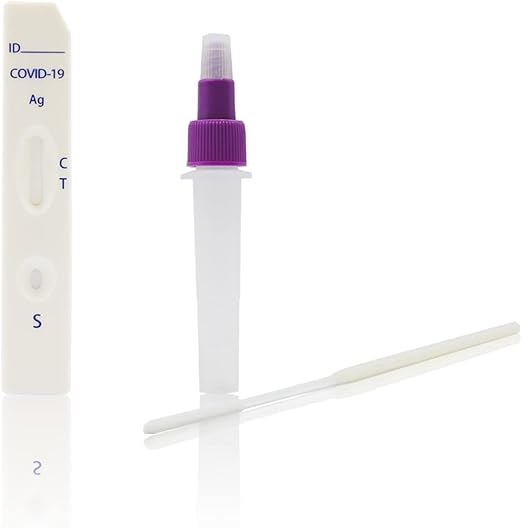
The Fecal Occult Blood Tube makes colorectal cancer screening possible without invasive procedures by keeping hemoglobin stable in stool samples so labs can still get accurate results even if samples take time to reach them. This is quite different from colonoscopies where patients need to go through all that prep work and actually get sedated during the procedure. The newer immunochemical FOBT test works by detecting human blood proteins using antibodies, which gives it better performance than the old guaiac-based method. We're talking about catching 72% of those dangerous polyps compared to just 58% with the outdated tests. What really stands out though is how convenient this test is for people to do at home. Especially in rural communities where access to healthcare isn't great, this convenience factor has made a real difference. A recent study published in Clinical Gastroenterology last year showed that when these home tests were available, participation rates jumped by around one third across multiple regions.
Comparing Stool Tests for Colon Cancer Screening: FOBT, FIT, and Colonoscopy
| Screening Method | Sensitivity (CRC) | Specificity | Compliance Rate | Cost per Test |
|---|---|---|---|---|
| FOBT | 52–64% | 90.6% | 65% | $20–$30 |
| FIT | 73–92% | 91–95% | 70% | $25–$40 |
| Colonoscopy | 95% | 99% | 23–38% | $1,200+ |
Colonoscopies are definitely the gold standard when it comes to detecting issues in the colon, but let's face it - they're expensive and require all that unpleasant prep work with clear liquids for days. That makes them impractical for regular screening across entire populations. FIT tests have come a long way from old fashioned FOBT methods, catching those tiny blood traces better than before. But there's still a catch: samples need careful handling throughout transportation. The Fecal Occult Blood Tube seems to hit just the right spot though. Priced at around $35 per test, which isn't bad considering what it does, while still maintaining good reliability. Public health officials love these tubes because they can implement widespread screening programs without breaking budgets. Some studies suggest such programs could cut colorectal cancer cases by anywhere from 21% to 34% each year if done properly.
How the Fecal Occult Blood Test (FOBT) Works: Science and Sample Stability
Mechanism of Hemoglobin Detection in the Fecal Occult Blood Test (FOBT)
The latest generation of iFOBTs works by finding blood in the stool through special monoclonal antibodies that latch onto human hemoglobin specifically from the globin chain. This means they don't pick up on blood from food or the upper digestive tract, which makes them much more accurate. Some advanced Fecal Occult Blood Tests now use this thing called colloidal gold technology to spot really tiny amounts of hemoglobin down to around 100 ng/ml. These tests give results that match what labs would find, right there at the doctor's office or even in local clinics according to research published last year in Frontiers in Oncology.
Guaiac-Based vs. Immunochemical Methods: Understanding gFOBT Limitations
The guaiac based fecal occult blood test (gFOBT) works by looking at heme's peroxidase activity, but this approach often leads to false positive results when someone eats red meat, eats certain veggies, or takes vitamin C supplements. Immunochemical tests (like iFOBT or FIT) work differently though. These tests zero in on human hemoglobin specifically, so they don't get confused by what people eat or other types of bleeding outside the lower gastrointestinal tract. Looking at the latest numbers from CDC's 2025 guidelines for colorectal cancer screening shows why these newer tests matter. The immunochemical version hits around 89% specificity while the old guaiac method only reaches about 79%. That difference really matters when doctors need accurate information to make decisions about patient care.
Dietary Influences and False Positives: Enhancing Test Accuracy
The gFOBT test tends to give false positive results about 15 to 28 times out of 100 when people don't stick to the required diet before testing. Things such as regular smoking habits and being overweight can actually make matters worse, since they contribute to higher levels of oxidative stress which messes with the accuracy of the test results. The newer iFOBT version cuts down on these mistakes by roughly two thirds because it specifically looks for human blood markers rather than general hemoglobin. However even this improved test isn't foolproof, especially when someone is taking blood thinners, so doctors often need to interpret the findings carefully to prevent patients from undergoing unnecessary colonoscopies or other invasive follow up tests.
Innovations in Fecal Occult Blood Tubes: Buffer Solutions and Sample Stabilizers
The latest Fecal Occult Blood Tubes come with special buffer solutions that keep hemoglobin intact for around three days when stored at normal room temperatures, roughly 25 degrees Celsius. The stabilizing agents work by stopping bacteria from breaking down samples and keeping the pH levels stable, which means test results stay accurate even if samples get exposed to heat. This kind of stability is really important for health programs worldwide, especially in places like tropical countries or areas without proper refrigeration facilities. Doctors no longer need to worry about samples spoiling during transport through hot weather conditions.
Clinical Effectiveness and Public Health Impact of FOBT Screening
Evidence from large-scale studies on stool tests for colon cancer screening
Looking at CRC screening results from the past ten years, a 2023 study showed that using FOBT tests followed by colonoscopies gives patients around 7.7 quality adjusted life years while costing about $3,573 each. That's actually better than doing nothing at all, which ends up being 14% more expensive but leads to much poorer health results. Researchers looked at data from well over 100 thousand people and found that when communities stick to regular FOBT screening schedules, they catch problems earlier and save money on healthcare overall. The big picture? Annual FOBT checks seem to cut down on colorectal cancer cases between 17 to 33 percent because doctors can spot and remove those dangerous pre-cancer growths before they become something serious.
Sensitivity, specificity, and performance across diverse populations
Modern iFOBT kits detect around 79 percent of colorectal cancers and catch about 69 percent of those advanced adenoma cases too. The specificity rate generally stays above 90 percent among people at average risk for these conditions. While results tend to hold steady across different ethnic backgrounds, tweaking those cutoff points actually helps boost accuracy when dealing with groups that naturally have more gastrointestinal bleeding issues. And interestingly enough, when labs start using better buffer solutions along with clearer instructions for patients, they manage to bring down those annoying false positive results to under five percent most of the time.
Reducing mortality: CDC and WHO data on colorectal cancer prevention
FOBT screening programs at the national level seem to be making a real difference in reducing CRC deaths across the board. Some studies from the UK found that people who got regular screenings saw about a 16% decrease in cancer related deaths. Looking at the bigger picture, the CDC reports that areas where lots of folks participate in these tests have experienced around a 33% decline in CRC mortality rates since the turn of the century. And according to projections from WHO, if more countries adopted this kind of testing every two years, we might actually save close to quarter of a million lives worldwide by 2040 just by catching problems earlier when treatments work better.
Improving Patient Compliance and Experience with At-Home FOBT Kits
Benefits of at-home collection using the Fecal Occult Blood Tube
Home FOBT kits take away the hassle of going to a clinic, which makes them much easier to access and generally more convenient for most people. The kits come with already labeled containers and special stabilizing solutions that keep samples good for around two weeks even when stored at normal room temperatures. People who have used these kits tend to be pretty happy with them. A recent industry report from 2023 found that about 8 out of 10 users called the whole experience "not really disruptive" to their daily lives. What's more interesting is that overall satisfaction levels were actually 35 percentage points better compared to traditional clinic based tests.
Common barriers to adherence in screening for colorectal cancer
Around 42 percent of people who qualify for tests still put them off because they think the process is complicated somehow. Research published last year in the Disability and Health Journal points to several main issues getting in the way. Many folks get nervous about doing the sample collection right (that's 58% according to the study). Then there's the whole awkwardness factor when dealing with stool samples, which affects about a third of people. And let's not forget the fear that comes with worrying about what might show up in those results, affecting roughly 27%. The problem gets even worse out in rural areas and places without good healthcare access. Screening numbers there tend to be around 19% behind what we see in cities, as noted by CDC data from 2023. Makes sense really since getting help isn't always so easy when clinics are far away.
Strategies to increase participation in stool-based screening programs
Effective interventions include:
- Instructional videos that reduce collection errors by 61%
- SMS reminders that boost test return rates by 28%
- Community health worker outreach that increases screening uptake by 39% in low-income groups
Clinics integrating telehealth follow-ups with mailed FOBT kits achieve 92% completion rates, far surpassing the 67% seen in standard care models, as highlighted in the 2024 CMS Innovation Center Report.
Integrating Fecal Occult Blood Testing into National and Global Health Programs
Global Adoption of Fecal Occult Blood Test (FOBT) in Public Screening Guidelines
More than forty nations have started using FOBT as part of their national colorectal cancer screening efforts because it's both cheap and easy to scale up. According to World Health Organization statistics, areas where these screening programs are properly set up tend to catch about 15 to 25 percent fewer cases at later stages when treatment becomes much harder. For places with limited resources throughout Southeast Asia and parts of Africa, doctors often go with stool tests rather than colonoscopies since there just aren't enough facilities or money to do the latter. The price difference is staggering too. A basic FOBT kit costs somewhere between twelve and thirty dollars, while getting a colonoscopy done typically runs well over a thousand bucks.
Cost-Effectiveness of Fecal Occult Blood Tube Versus FIT and Colonoscopy
FOBT screening delivers substantial mortality reduction at one-tenth the cost of colonoscopy programs. Although FIT offers slightly better sensitivity (73% vs. 68% for gFOBT), its higher price ($25–$45) limits broad implementation. A 2023 meta-analysis found biennial FOBT provides comparable lifetime protection against CRC death (72% reduction) to colonoscopy (76%) while lowering total system costs by 34%.
Case Study: Organized Screening Success in Europe Using Guaiac-Based Kits
Finland’s national program achieved 67% participation through mail-distributed FOBT kits, detecting early-stage cancers in 58% of diagnosed cases–versus 33% in unscreened groups. The 2024 European public health initiative noted 83% cost savings over diagnostic colonoscopy pathways, with buffer-stabilized tubes cutting diet-related false positives by 41%.
Policy Recommendations for Expanding Access to Stool Tests for Colon Cancer Screening
To expand equitable access, health ministries should:
- Implement standardized quality controls for FOBT kit manufacturing
- Train community health workers in sample collection support
- Deploy mobile units to reach rural populations
Educating clinicians about FOBT’s 92% negative predictive value could reduce unwarranted colonoscopies by 19% (CDC, 2023). Combining mailed kits with digital reminders has increased compliance to 78% in pilot programs, compared to 54% with passive distribution alone.
FAQ Section
What is a Fecal Occult Blood Tube?
A Fecal Occult Blood Tube is a specialized container used for collecting and stabilizing stool samples to test for hidden blood, which is an early indicator of colorectal cancer.
How often should an individual participate in FOBT screening?
Regular screening with FOBT is generally recommended every two years for individuals at average risk of colorectal cancer, according to national health guidelines.
What are the benefits of using immunochemical tests over guaiac-based tests?
Immunochemical tests are more specific to human hemoglobin and less affected by dietary factors, reducing the likelihood of false-positive results.
How do public screening programs impact colorectal cancer mortality rates?
Well-organized public screening programs have been shown to reduce mortality rates by catching cancers earlier, significantly decreasing fatality rates by up to 33%.
What are common barriers to participating in CRC screening?
Common barriers include the complexity of collecting samples correctly, discomfort with handling stool samples, and fear of test results.
Table of Contents
- The Role of Fecal Occult Blood Tube in Early Colorectal Cancer Detection
- How the Fecal Occult Blood Test (FOBT) Works: Science and Sample Stability
- Clinical Effectiveness and Public Health Impact of FOBT Screening
- Improving Patient Compliance and Experience with At-Home FOBT Kits
-
Integrating Fecal Occult Blood Testing into National and Global Health Programs
- Global Adoption of Fecal Occult Blood Test (FOBT) in Public Screening Guidelines
- Cost-Effectiveness of Fecal Occult Blood Tube Versus FIT and Colonoscopy
- Case Study: Organized Screening Success in Europe Using Guaiac-Based Kits
- Policy Recommendations for Expanding Access to Stool Tests for Colon Cancer Screening
-
FAQ Section
- What is a Fecal Occult Blood Tube?
- How often should an individual participate in FOBT screening?
- What are the benefits of using immunochemical tests over guaiac-based tests?
- How do public screening programs impact colorectal cancer mortality rates?
- What are common barriers to participating in CRC screening?