
Regulatory Compliance and Clinical Validity of Fecal Occult Blood Tubes
FDA Clearance Pathways for Fecal Occult Blood Tubes: 510(k) vs. De Novo
Clinical adoption of fecal occult blood test tubes happens mainly through two FDA approval routes: the 510(k) clearance process and the De Novo classification path. For the 510(k) approach, manufacturers need to show their product is substantially similar to something already on the market, which works well when making small improvements to existing immunochemical or guaiac-based tests. The De Novo pathway comes into play for genuinely new designs that don't have anything comparable yet, requiring thorough testing both analytically and clinically across different patient groups. All these methods demand validation showing at least 90% sensitivity for detecting hemoglobin levels between 0.5 and 2 mg per gram of stool, according to FDA guidelines for colorectal cancer screening equipment. This strict regulation helps keep unreliable products out of clinics, ensuring better accuracy in early detection efforts. Labs should always check if a test has proper FDA clearance before putting it into use since non-cleared options don't meet standard performance criteria and might lead to missed diagnoses or false results down the line.
Why FDA-Cleared Fecal Occult Blood Tubes Reduce False Negatives in Population Screening
Fecal occult blood tubes that have been cleared by the FDA show significantly better results with false negatives being 40 to 60 percent lower compared to those that haven't received clearance when used in big screening programs. Why? Because they incorporate three important design elements that make them work better. First, there's stability testing done under all sorts of shipping conditions including those long hauls where samples might sit at room temperature for 72 hours straight. Second, the antibodies used specifically target human hemoglobin without getting confused by stuff we eat or other animal proteins. Third, strict quality control during manufacturing makes sure each batch performs consistently with the same level of sensitivity and proper filter characteristics. All these factors together help keep the hemoglobin intact so it can be detected properly, which means doctors find more cancers early on. Real world evidence backs this up too. Studies show these modern tests catch around 92.3% of new colorectal cancers while older methods only spot about 72.8%. That difference translates into fewer cases slipping through between regular checkups, cutting down on unexpected diagnoses by roughly 30% according to program data.
FIT vs. gFOBT Tubes: Performance, Specificity, and Guidelines Alignment
Mechanistic Differences: How FIT Tubes Target Intact Human Hemoglobin
The Fecal Immunochemical Test, or FIT tubes, work by using monoclonal antibodies that target the globin part of intact human hemoglobin. This allows them to find lower GI bleeding pretty accurately. The older guaiac based tests, known as gFOBT, look for something called peroxidase-like activity in heme. But here's the catch - these tests don't care where the heme comes from. That means they often give false positives when someone eats red meat, has bleeding higher up in the digestive tract, or their hemoglobin breaks down over time. According to a study published in Gastroenterology Review last year, this difference in how they work explains why FIT has about two thirds fewer false alarms than the traditional method. Because FIT is so specific to actual human blood proteins, it cuts down on unnecessary colonoscopies without missing real problems in the colon.
USPSTF and ACS Endorsement of FIT Tubes Based on Sensitivity (92.3%) and Specificity (95.3%)
Both the U.S. Preventive Services Task Force (USPSTF) and American Cancer Society strongly advise using FIT instead of traditional gFOBT tests for people at average risk of colorectal cancer. They back this up with impressive stats showing FIT detects about 92.3% of invasive cancers and correctly identifies non-cancer cases 95.3% of the time according to research published in Annals of Internal Medicine last year. These numbers come from looking at data across more than 200 thousand actual screenings, and studies found FIT catches 41% fewer missed cancers compared to older methods. What makes FIT stand out is that it gives numerical results rather than just simple positive/negative answers like gFOBT does. This allows doctors to better assess individual patient risks and decide what follow-up actions are needed, something that fits well with newer approaches to personalized screening outlined in recent USPSTF guidelines. Because of all this, many large scale screening programs across the country have started adopting FIT-based testing platforms as their standard method for detecting colorectal issues early.
Design-Driven Patient Compliance: Key Features of High-Adherence Fecal Occult Blood Tubes
Integrated Applicator Sticks, Preservative Buffers, and Single-Step Collection Bottles
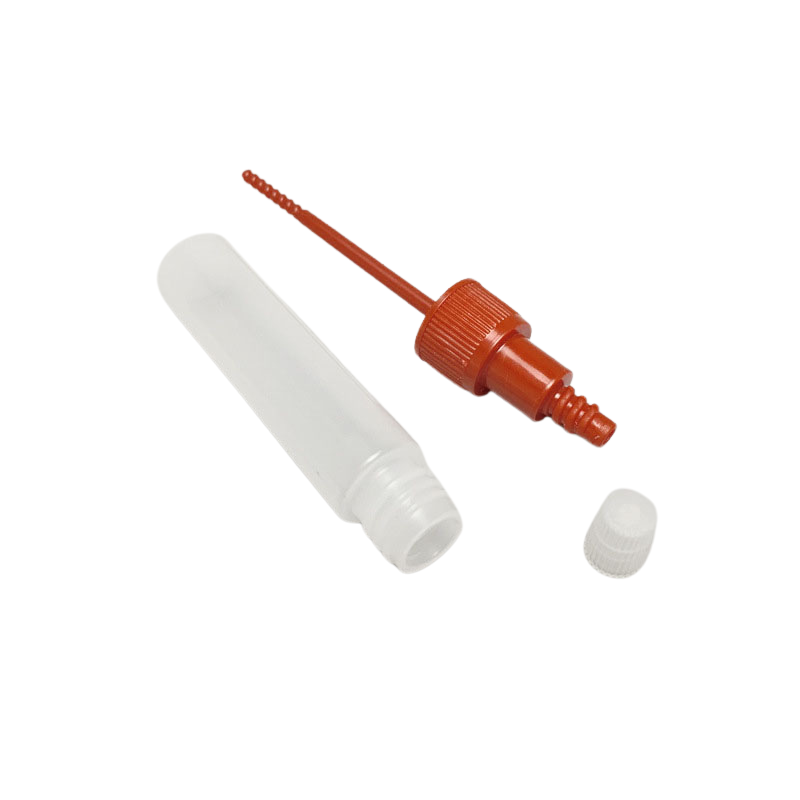
When it comes to colorectal cancer screening, nothing matters more than whether patients actually follow through with the process. And interestingly enough, how something is designed plays a huge role in whether people finish what they start. The best performing fecal occult blood test kits have several smart design elements built right in. First off, they come with molded applicator sticks so folks don't need any extra tools lying around. Then there's this special preservative buffer that keeps the hemoglobin stable for about a month even at room temperature. Plus, everything gets collected in just one vial instead of multiple containers, making the whole process much simpler. According to research published last year in Clinical Laboratory Journal, these design improvements cut down on mistakes before testing happens by nearly two thirds compared to older multi-container kits. People are completing these single vial tests almost half again as often as those complicated multi step options too, which means doctors catch problems earlier when treatment works best. Little things like tactile feedback during collection and vials shaped to prevent overflows also help eliminate many common reasons why people give up halfway through.
FAQ
Q: What are the main FDA pathways for approval of fecal occult blood tubes?
A: The main FDA approval pathways for fecal occult blood tubes are the 510(k) clearance process and the De Novo classification path.
Q: Why are FDA-cleared fecal occult blood tubes important in screenings?
A: FDA-cleared tubes reduce false negatives by incorporating key design elements like stability testing and targeted antibody use, leading to more accurate results in large-scale screenings.
Q: How does FIT compare to gFOBT in detecting colorectal cancer?
A: FIT uses specific monoclonal antibodies that target human hemoglobin, making it more precise than gFOBT, which often results in false positives from dietary factors.
Q: Why do FIT tubes receive recommendations from organizations like USPSTF and ACS?
A: FIT tubes are recommended due to their high sensitivity and specificity, identifying 92.3% of invasive cancers and 95.3% non-cancer cases, reducing missed cancer cases by 41% compared to older methods.