
Product Introduction
A vacuum urine cup is an essential medical device designed for the sterile and efficient collection, storage, and transportation of urine samples. In modern clinical and laboratory environments, maintaining the integrity and safety of diagnostic samples is crucial for accurate analysis and patient care. Vacuum urine cups provide a reliable solution by combining advanced sealing technology with user-friendly design, ensuring samples remain uncontaminated from collection through testing.
At Xiamen Zhizi Industry & Trade Co., Ltd., our vacuum urine cups are manufactured using premium-grade materials to guarantee sample security and stability. Designed for both professional healthcare facilities and at-home testing, these cups facilitate safe, hygienic, and ergonomic urine sample collection. The vacuum system integrated into these cups allows for secure, leak-proof containment while minimizing potential exposure to biohazards.
Beyond simple containment, vacuum urine cups are engineered to fit seamlessly into automated laboratory workflows, promoting efficiency and accuracy. This article explores the definition of vacuum urine cups, their critical role in urine sample management, and how the features of Xiamen Zhizi’s products elevate laboratory performance through superior material quality, ergonomic design, and manufacturing excellence.
Key Features and Advantages of Vacuum Urine Cups
-
High-Quality Materials Ensure Sample Safety and Integrity
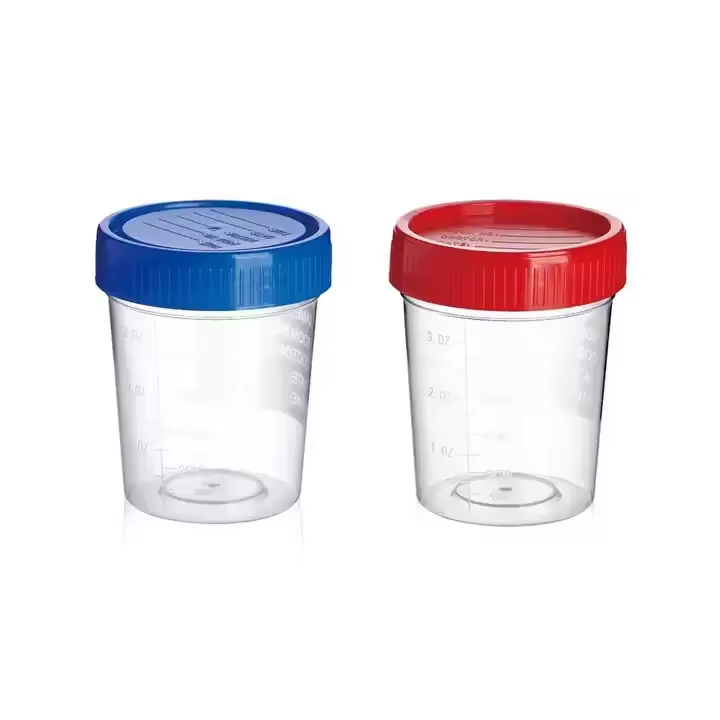
One of the foremost attributes of a superior vacuum urine cup is the use of high-quality materials to preserve the safety and integrity of urine samples. Xiamen Zhizi’s vacuum urine cups are crafted from medical-grade polypropylene (PP), renowned for its strength, chemical inertness, and biocompatibility. This plastic is transparent, allowing easy visual inspection of the sample volume and condition without compromising sterility.
The thickened cup walls provide durability without adding unnecessary weight, ensuring the cups are robust during handling and transportation but comfortable to use. The materials are certified to be DNase-free, RNase-free, and pyrogen-free, maintaining a contaminant-free environment essential for accurate diagnostic testing.
Resistance to chemical corrosion is another vital characteristic. Urine samples may contain a variety of chemical compounds, and the cups must sustain exposure without degrading or leaching substances that could interfere with tests. Xiamen Zhizi’s vacuum urine cups exhibit high resistance to acids, alkalis, and other corrosive substances often present in laboratory and clinical environments. This durability reduces the risk of compromised samples and ensures the cup’s safe disposal after single use.
-
Ergonomic Design for Easy Operation and Use
Ergonomics in vacuum urine cup design is critical to ensure that healthcare professionals and patients can use the device comfortably and effectively. The vacuum urine cups feature a carefully engineered shape that fits naturally in the hand, allowing easy opening, closing, and secure handling with minimum effort.
The screw-on lid mechanism offers strong sealing to prevent leaks and cross-contamination. Its design is intuitive, allowing fast and confident operation across various users, from lab technicians to patients collecting samples independently. The lid is easy to turn but locks securely, creating a tight seal that maintains vacuum integrity and sample safety during transport.
A large-volume opening facilitates convenient urine collection and minimizes spillage during sampling. The cup’s translucency, coupled with clear graduated markings in milliliters and ounces, simplifies volume measurement and monitoring—an essential feature for accurate specimen submission and verification.
Additionally, the vacuum urine cup design considers compatibility with automated laboratory equipment. Its standardized shape and dimensions align with specimen racks and analyzers, streamlining workflow and minimizing handling errors. The ergonomic focus reduces user fatigue and maximizes sample throughput efficiency, especially in high-demand testing facilities.
-
Multifunctionality and Compatibility: Stool, Urine, and Sputum Collection
Xiamen Zhizi’s vacuum urine cups are versatile specimen containers, also suitable for collecting stool and sputum samples. Their disposable plastic construction makes them ideal for one-time use, preventing contamination and cross-infection.
The multipurpose nature reduces the need for multiple container types, simplifying inventory management for medical facilities. Clear markings and stable sealing ensure safe transportation and accurate testing regardless of the specimen type.
Their chemical resistance and sterile manufacturing processes mean the vacuum urine cups provide secure containment whether used in hospitals, clinics, or research laboratories, supporting a broad range of diagnostic applications.
Manufacturing Excellence and Production Advantages
-
Precision Injection Molding with Medical-Grade Materials
At Xiamen Zhizi, vacuum urine cups are produced using state-of-the-art injection molding technologies, which ensure consistent dimensional accuracy and structural integrity across each batch. The precision molding process creates uniform wall thickness and flawless screw threads, crucial for maintaining airtight seals and vacuum functionality.
Only carefully sourced, medical-grade polypropylene is used to meet regulatory standards including ISO 13485 certification. This ensures the cups are free from impurities and meet stringent biocompatibility requirements, reducing the risk of false positives or sample degradation during testing phases.
Advanced molding reduces defects and waste during production, enhancing sustainability while maintaining cost-effectiveness for large-scale supply.
-
Sterile Processing and Quality Control
Vacuum urine cups undergo aseptic processing to ensure they arrive sterile and free from contaminants—an indispensable requirement for reliable diagnostic testing. The aseptic lines at Xiamen Zhizi employ DNase-free and RNase-free protocols, eliminating nucleases and pyrogens that could interfere with molecular testing.
Extensive quality control includes mechanical leak tests, lid sealing verification, dimensional accuracy checks, and surface inspections to detect any flaws. Each cup is individually verified to guarantee strong sealing performance and resistance to leakage under various conditions.
Batch traceability is maintained through barcoding and documentation, allowing clients to audit production quality and compliance as part of their regulatory responsibilities.
-
Customization and Client Support
Recognizing that different laboratories have unique needs, Xiamen Zhizi offers customization options including size variations, labeling, color coding, and packaging solutions. Tailored configurations ensure seamless integration with client workflows and inventory requirements.
Flexible OEM and ODM services enable medical suppliers and healthcare providers to brand and package vacuum urine cups according to market demands while leveraging Zhizi’s manufacturing reliability.
-
Environmental and Practical Benefits
The vacuum urine cups are designed for single use, eliminating costly sterilization cycles and reducing biohazard risk. Made from recyclable materials, the cups help clients meet environmental goals without compromising performance. Their durability during transport protects specimens, reduces sample retakes, and optimizes testing turnaround time.
Conclusion
Vacuum urine cups are indispensable tools in clinical diagnostics and laboratory testing, safeguarding urine sample integrity with a combination of robust material quality, ergonomic design, and advanced vacuum sealing technology. Xiamen Zhizi Industry & Trade Co., Ltd. leads in delivering these products with high reliability, certification-backed quality, and client-focused customization.
By choosing vacuum urine cups from Zhizi, medical facilities and laboratories enhance the efficiency, safety, and accuracy of urine sample processing — contributing directly to better diagnostic outcomes and patient care.